The Brushless Transition Is Rewriting the Rules of Tool Repair
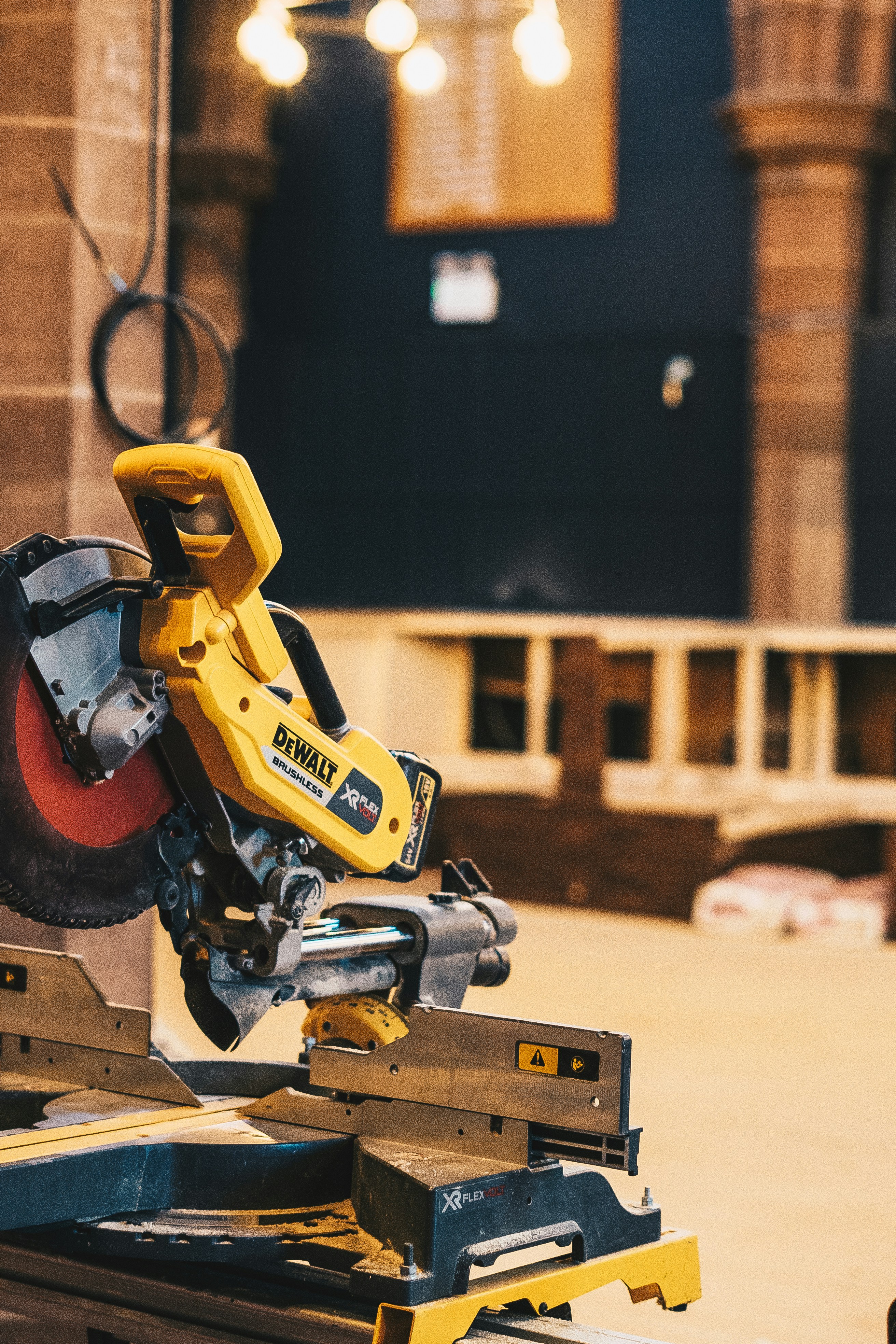
The repair shop on Route 9 in rural Vermont closed in 2026. Not because the owner retired, though he was getting close. It closed because half the tools coming through the door had sealed electronic control boards he couldn't diagnose, couldn't source parts for, and couldn't fix without proprietary software he'd never be given access to.
He'd been fixing power tools for 31 years. Brushed motors were his bread and butter - swap the carbon brushes in fifteen minutes, resurface a commutator, replace a bearing. Straightforward mechanical work. The kind of repair that kept tools running for decades and kept small shops alive across rural America.
Then brushless happened.
The Numbers Tell a Transition Story
In 2015, brushless motors represented about 15% of cordless tool sales in the United States. By 2020, that number hit 45%. In 2026, it's sitting at roughly 73%, and every major manufacturer has shifted R&D budgets overwhelmingly toward brushless development. Milwaukee, DeWalt, Makita, Bosch - the engineering priority is clear. Brushed motor development at most companies now consists almost entirely of cost reduction. Not improvement. Cost reduction.
The adoption curve followed the price curve, which followed the manufacturing curve. The controller chips that manage brushless motor timing dropped from around $12 per unit in 2010 to roughly $0.80 today. Global brushless motor production increased over 2,400% in the same period. The technology that once commanded a 250% premium over brushed equivalents now carries about a 50% markup - and that gap keeps shrinking.
But here's where the story gets interesting. Because this isn't really a story about motors. It's a story about what happens to an entire ecosystem - repair shops, rental fleets, rural contractors, the whole infrastructure of tool maintenance - when a fundamental technology shifts faster than the support structure can adapt.
What Rental Companies Already Know
Sunbelt Rentals and United Rentals operate some of the largest tool fleets in the country. Their data tells a story that individual buyers don't see.
Rental companies track tools by total operating hours. A brushed drill averages 250 to 300 hours before it needs brush replacement - a $15 to $25 repair that any shop can do in the field. A brushless drill runs 2,000 to 2,500 hours before its first likely failure. That sounds like a clear win for brushless, and it is - until you look at what "failure" means.
When a brushed motor fails, it fails predictably. Performance degrades gradually. The brushes get shorter, contact gets worse, you notice the tool losing power. There's a warning period. And the repair is mechanical - visible, diagnosable, fixable with common parts.
When a brushless motor fails, the control board dies. It's instant. The tool works fine and then it doesn't. No warning, no gradual decline. The fix requires a proprietary replacement board that costs $75 to $95 and can only be sourced through authorized channels. Many rental locations can't stock every board variant. The turnaround for an out-of-stock board repair can be two weeks.
This is why several major rental companies still maintain fleets that are 40% brushed tools. Not because brushless isn't better in every measurable performance metric. It is. But because when a brushed tool breaks on a Thursday and needs to be renting again on Monday, that's achievable. A brushless tool with a dead control board might sit in the back room for a week waiting for parts.
The Rural Problem
There are approximately 7,400 independent power tool repair shops in the United States. That number was around 11,200 in 2015. The decline tracks almost perfectly with brushless adoption.
The math isn't complicated. A shop that previously handled 60% brushed motor repairs is watching that revenue disappear - not because tools aren't breaking, but because the repairs that remain require manufacturer certification, proprietary diagnostic tools, and parts supply agreements that favor authorized dealers over independents.
For a contractor working 45 minutes from the nearest authorized repair center, this shift has real consequences. The brushed drill that could be fixed by the local shop - the one run by the guy who knew your name and could turn a repair around overnight - now needs to be shipped. The fix that used to cost $25 and take a day now costs $95 and takes two weeks.
There's a geographic pattern to this. In metropolitan areas with dense authorized dealer networks, the transition to brushless has been essentially seamless. Tools break less often, and when they do, a warranty center is usually nearby. In rural areas, the transition has created genuine service deserts. Counties where the nearest authorized Milwaukee or DeWalt repair facility is a multi-hour drive.
The contractor doesn't stop working while waiting for a repair. They buy another tool. Which is, if you're feeling cynical about it, not exactly a business model that incentivizes manufacturers to make repair more accessible.
What Actually Changed Inside the Tool
The mechanical difference between brushed and brushless motors is well documented. Brushed motors use physical carbon blocks pressing against a rotating commutator to transfer electrical current. That physical contact creates friction, heat, sparking, and wear. It's 1834 technology refined over two centuries.
Brushless motors eliminate that contact entirely. Permanent magnets on the rotor spin freely while electromagnets in the housing create rotating magnetic fields controlled by a microprocessor. No contact, no brushes, no sparking.
The performance gap is real and measurable. Laboratory testing consistently shows brushless motors delivering 85 to 90% mechanical efficiency versus 65 to 75% for brushed equivalents. Under identical loads with the same battery, a brushless drill bores 57% more holes. It generates roughly 35% less heat. The battery lasts 50% longer because the motor draws less current and stresses cells less.
These aren't marginal improvements. For a professional using tools 6 to 8 hours daily, the difference is dramatic and immediate. Longer runtime means fewer battery swaps. Less heat means the tool stays comfortable through a full shift. More power per charge means fewer trips to the charging station.
The question was never whether brushless is better. The question is what we lose in the transition - and whether anyone's paying attention to who gets left behind.
The Right-to-Repair Shadow
The brushless transition sits at the intersection of a much larger fight. Right-to-repair legislation has gained significant traction in the automotive, electronics, and agricultural equipment sectors. Power tools haven't drawn the same legislative attention, but the same fundamental tension exists.
When a tool's motor relied on replaceable carbon brushes and mechanical components, the owner or any competent repair shop could service it. The tool was, in a meaningful sense, owned by the person who bought it. Brushless tools introduce a software layer between the owner and the motor. The microprocessor controlling electromagnetic timing is proprietary. The diagnostic routines are proprietary. The firmware is proprietary.
A growing number of independent repair technicians have pointed out that this shift doesn't just change who repairs the tool - it changes the nature of ownership itself. When the manufacturer controls the software that makes the motor run, and restricts access to the diagnostic tools needed to service it, the line between "selling a tool" and "licensing a tool" starts to blur.
None of the major tool manufacturers have engaged publicly with right-to-repair arguments specific to power tools. The industry position, conveyed through trade associations, emphasizes safety - that untrained repairs on electronically controlled tools pose risks that mechanical repairs on brushed tools did not. There's some validity to that argument. There's also a significant financial incentive to keep repairs flowing through authorized channels.
The Cold Weather Question
Something that rarely appears in brushless-versus-brushed comparison charts: temperature performance. At 72 degrees Fahrenheit, brushless motors outperform brushed motors by every metric. At minus 10, the gap narrows in unexpected ways.
Brushed motors lose about 32% of their capacity in extreme cold. Brushless motors lose about 16%. On paper, brushless still wins. But the failure mode changes. In extreme cold, brushless control boards become the weak point. Electronic components have temperature ratings, and the microprocessors managing motor timing can behave unpredictably at the edges of their operating range. A brushed motor in minus 20 weather runs rough but runs. A brushless tool in the same conditions might throw a fault code and refuse to start - a safety feature designed for electronics that becomes a liability when you're halfway through a job in January in northern Minnesota.
This isn't a theoretical concern. Contractors working in cold climates have been vocal on professional forums about the issue. The common workaround - keeping tools warm inside a heated vehicle between uses - works for some trades and not others. A framer working outside all day in a Wisconsin winter doesn't have the luxury of running back to a warm truck every twenty minutes.
Manufacturers have been improving cold-weather performance with each generation. The problem is real but narrowing. Still, it's a data point that reveals something about how technology transitions work. The advantages are universal. The disadvantages are geographic and contextual - which means they fall disproportionately on people who are already underserved.
What the Holdouts Know
The 27% of new cordless tool sales that are still brushed aren't all budget buyers picking up Harbor Freight doorbusters. Some of them are professionals making a deliberate choice.
The arguments are consistent. Repairability. Simplicity. Predictability. The ability to diagnose and fix a problem in the field without specialized equipment. The knowledge that when this tool breaks, and every tool eventually breaks, the fix is a known quantity.
There's also a cost argument that goes beyond sticker price. A brushed impact driver that costs $99 and needs $25 in brushes once a year totals $224 over five years. A brushless impact driver that costs $179 and needs no maintenance totals $179 - unless it needs a $95 board replacement, which pushes it to $274. For a solo contractor watching every dollar, the math isn't as obvious as the marketing suggests.
The holdouts tend to be concentrated in specific trades and regions. Concrete work, demolition, and heavy construction - applications where tools take extreme abuse and replacement cycles are short - still lean brushed. Rural areas where repair access is limited lean brushed. Owner-operators who maintain their own tools lean brushed.
They're not wrong. They're making rational decisions based on their specific circumstances. The problem is that the market is moving on without them. Brushed options are disappearing from catalogs. The remaining brushed tools are receiving minimal engineering attention. The technology they've chosen is slowly being orphaned.
Where This Goes
Manufacturer R&D investment tells the story of the next decade. Brushless motor development currently receives approximately 8 times more research funding than brushed. Patent filings are overwhelmingly brushless - axial flux designs, sensorless control systems, integrated inverters, AI-powered load prediction.
Brushed motor development, where it exists, focuses almost exclusively on cost reduction - cheaper materials, simpler assembly, lower manufacturing overhead. Not improvement. Survival.
Industry projections suggest price parity between brushed and brushless tools by approximately 2030. At that point, the economic argument for brushed motors disappears entirely. What remains are the repair access and simplicity arguments, which matter to a smaller but not insignificant user base.
One senior motor engineer at a major manufacturer described it this way: "Brushed motors are perfected 19th-century technology. Brushless motors are still improving. The gap doubles in five years. In ten years, brushed motors become specialty items - still manufactured, rarely the optimal choice."
He might be right. But "optimal" depends entirely on who's using the tool, where they're using it, and what happens when it stops working. A technology can be superior by every measurable standard and still leave people behind.
The trades know this. They've been through transitions before - hand tools to power tools, corded to cordless, analog measurement to laser. Each transition brought genuine improvement and genuine loss. The brushless transition is following the same pattern.
The motors are better. The tools last longer. The power is real. And somewhere in rural Vermont, another repair shop is figuring out what comes next.