The Workshop

Discover 25 posts about the workshop
What Pine Does to Your Tools That Oak Doesn't (And Vice Versa)
The Workshop

What Pine Does to Your Tools That Oak Doesn't (And Vice Versa)

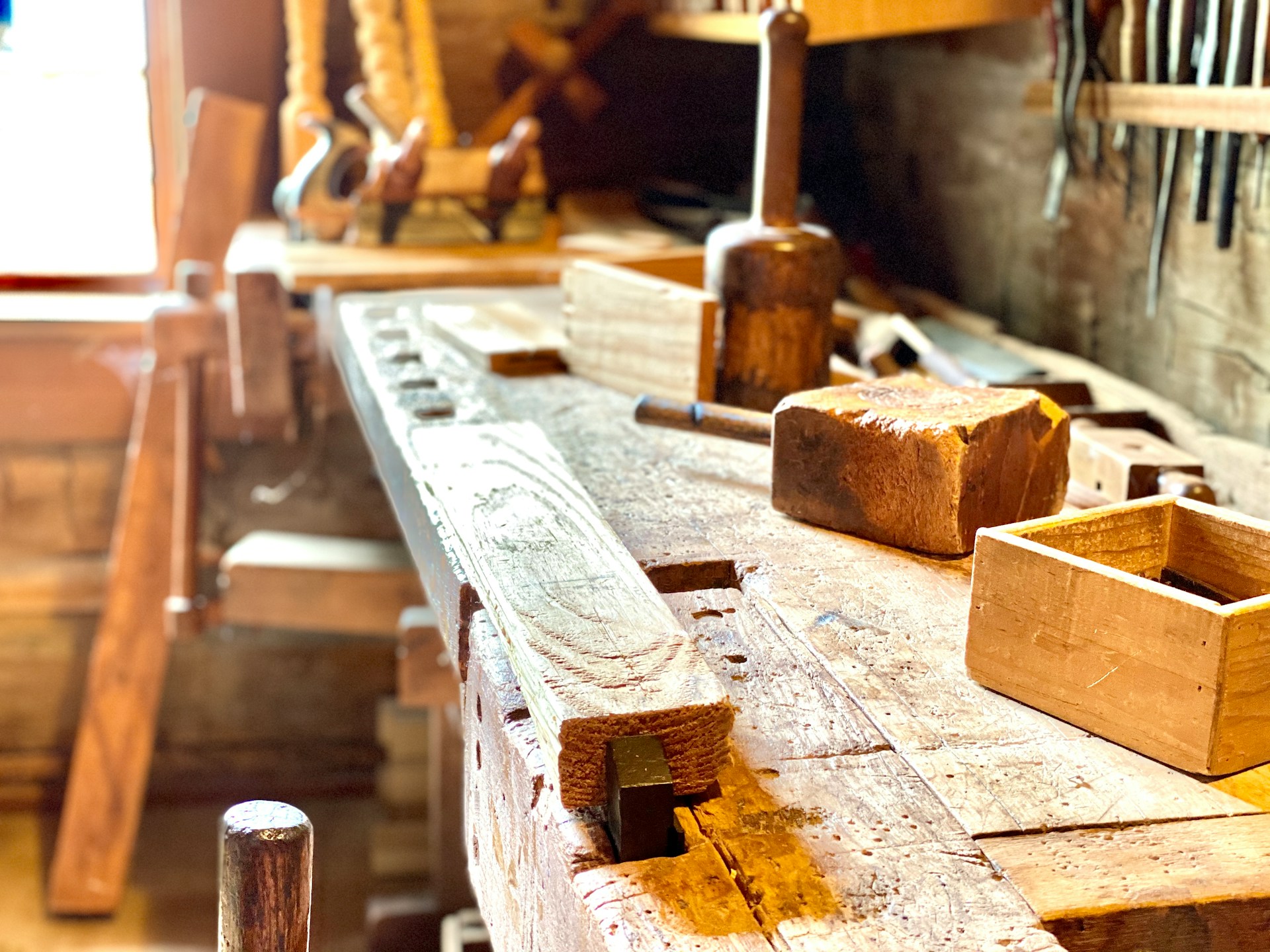
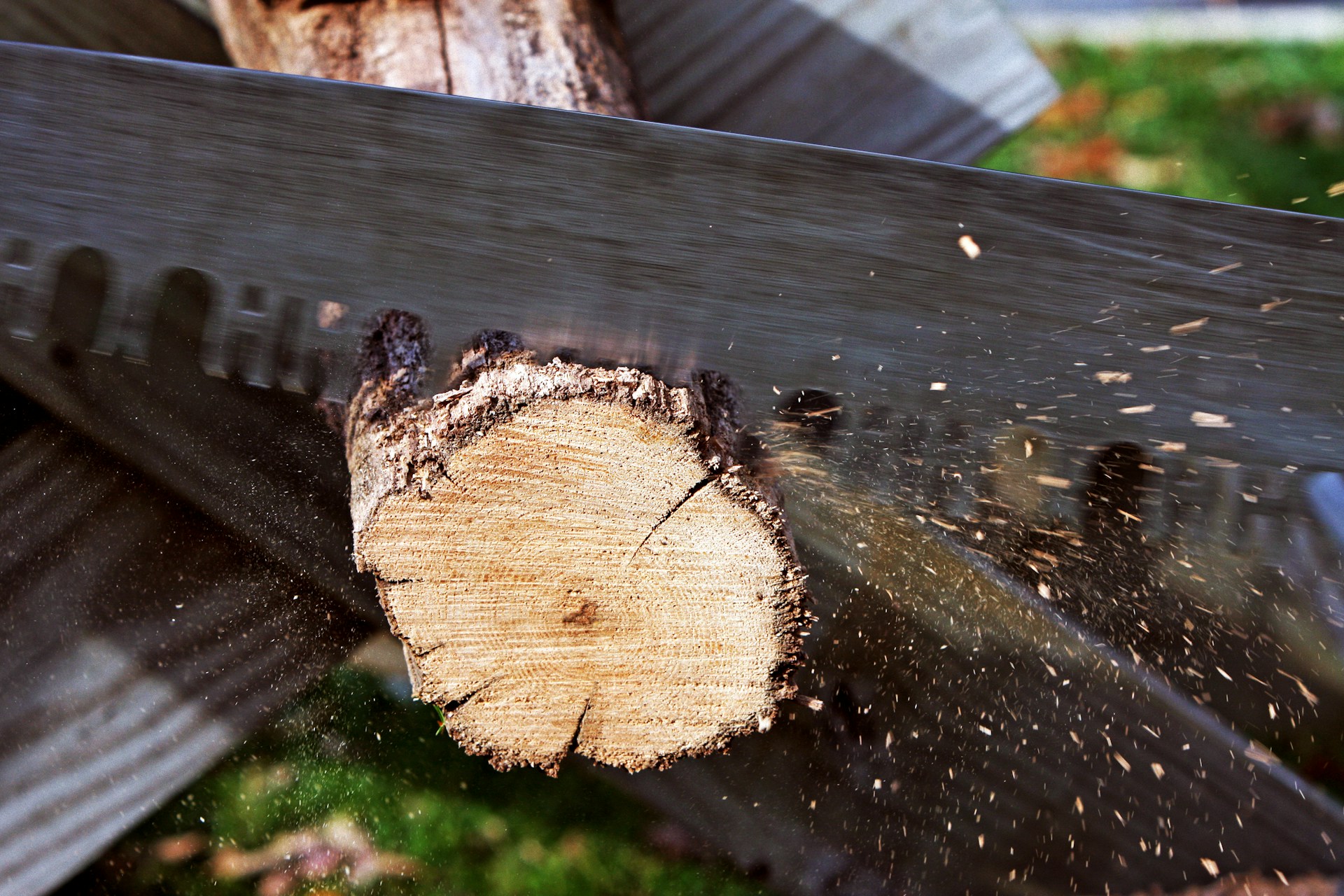
Pull a saw blade from a day of ripping pine and it's coated in sticky pitch resin. Pull the same blade from a day of cutting oak and it's clean but dull. Two completely different failure modes, hidden behind a naming convention that tells you nothing about either one.

November 12, 2025
softwoodhardwood
What Happens When You Bolt a Router Upside Down Under a Table
The Workshop

What Happens When You Bolt a Router Upside Down Under a Table

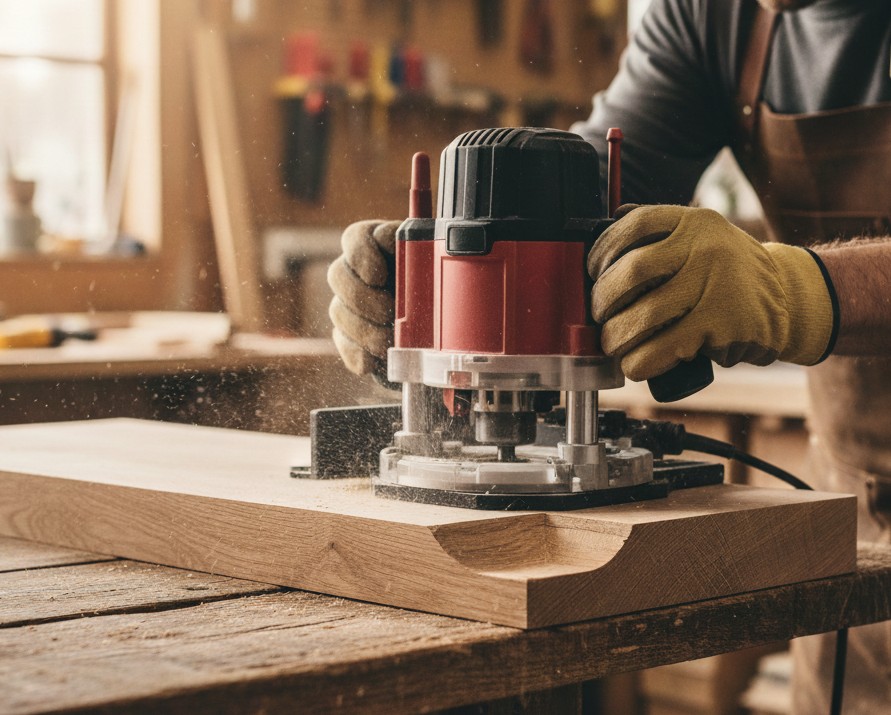
Same motor. Same bit. Same collet. Flip the tool upside down, bolt it under a flat surface, and the physics of routing reverse completely. Feed direction, force dynamics, danger profile, workflow - everything inverts with the tool.

November 7, 2025
router tablehandheld router
The Two Bits Every Rough-In Electrician Carries (And Why They Need Both)
The Workshop

The Two Bits Every Rough-In Electrician Carries (And Why They Need Both)

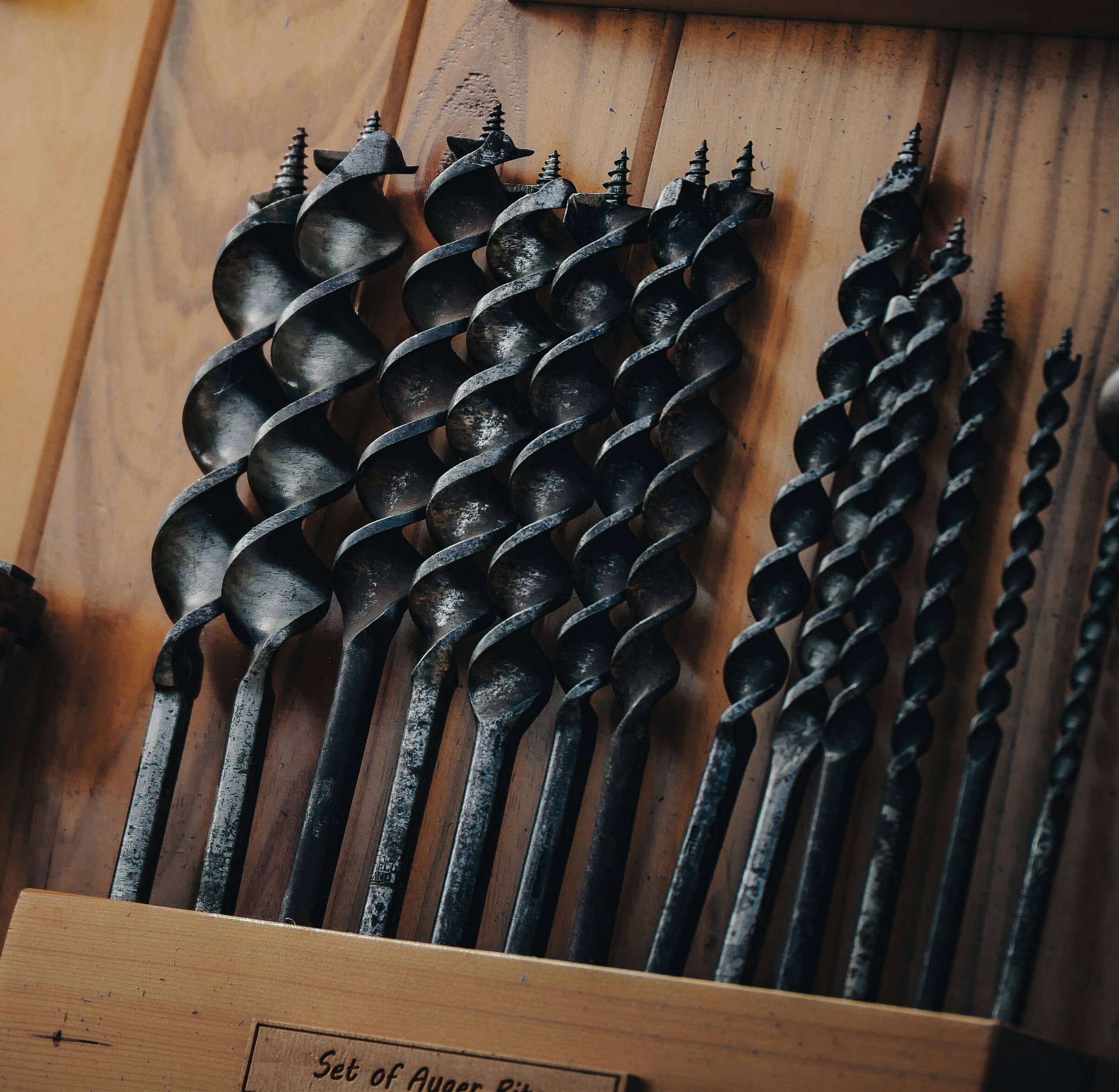
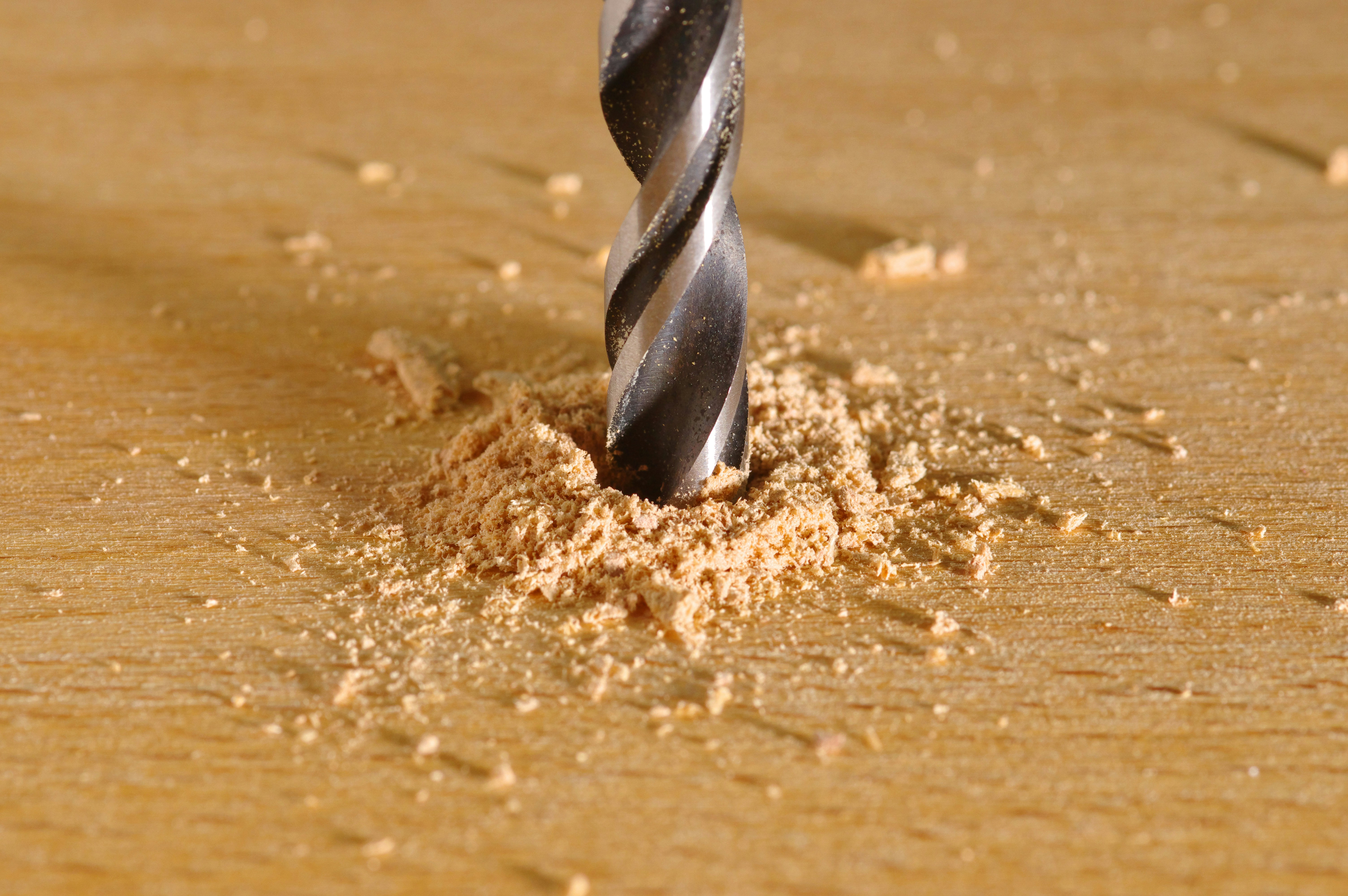
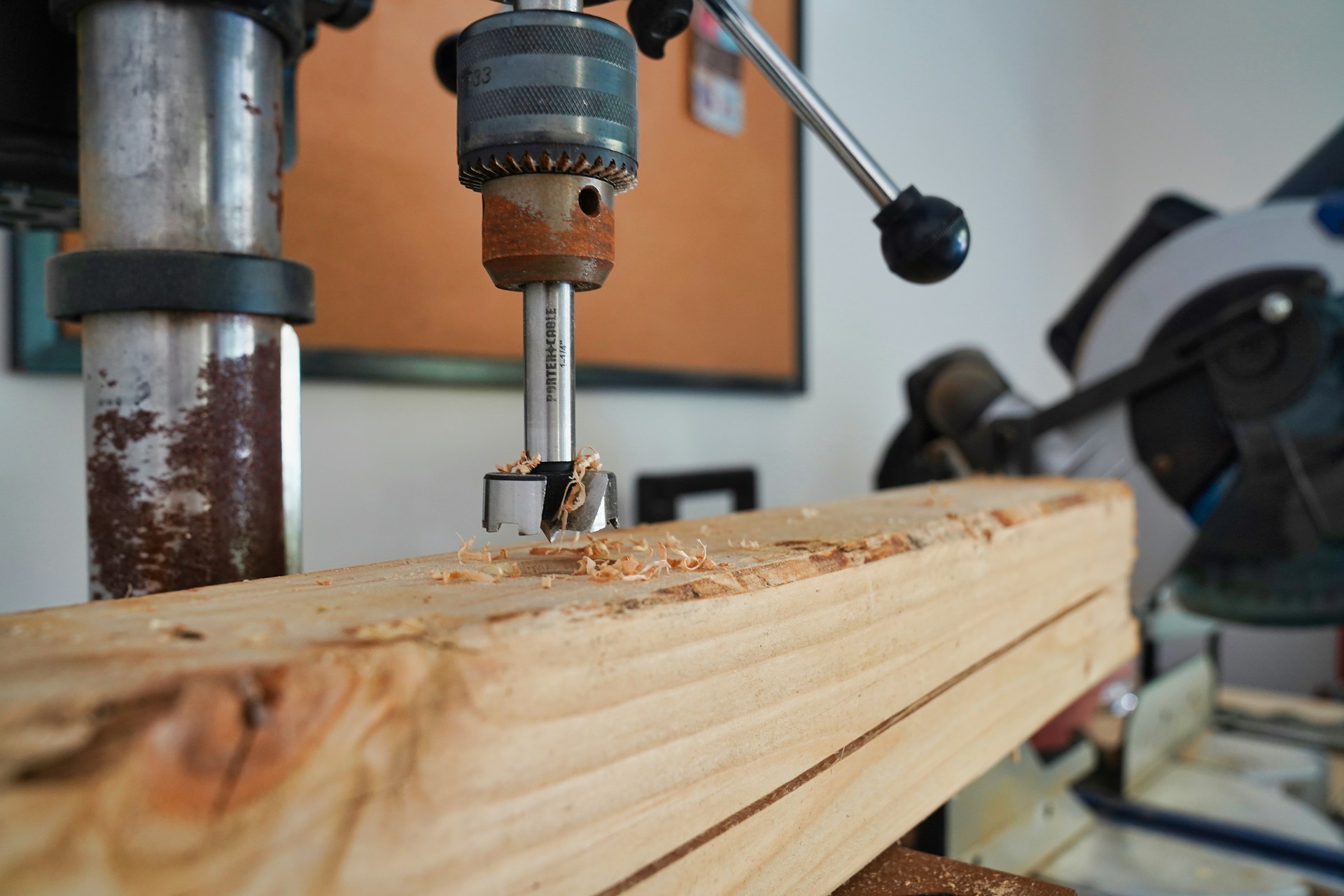
Auger bits self-feed through thirty joists without stopping. Spade bits cost a dollar and cut fast until they hit a nail. Every rough-in electrician carries both because structural lumber drilling is a two-strategy problem.

November 5, 2025
drill bitsauger bits
Why Every Contractor Owns Both a Jigsaw and a Circular Saw (When Either Could Theoretically Do Most of the Work)
The Workshop

Why Every Contractor Owns Both a Jigsaw and a Circular Saw (When Either Could Theoretically Do Most of the Work)

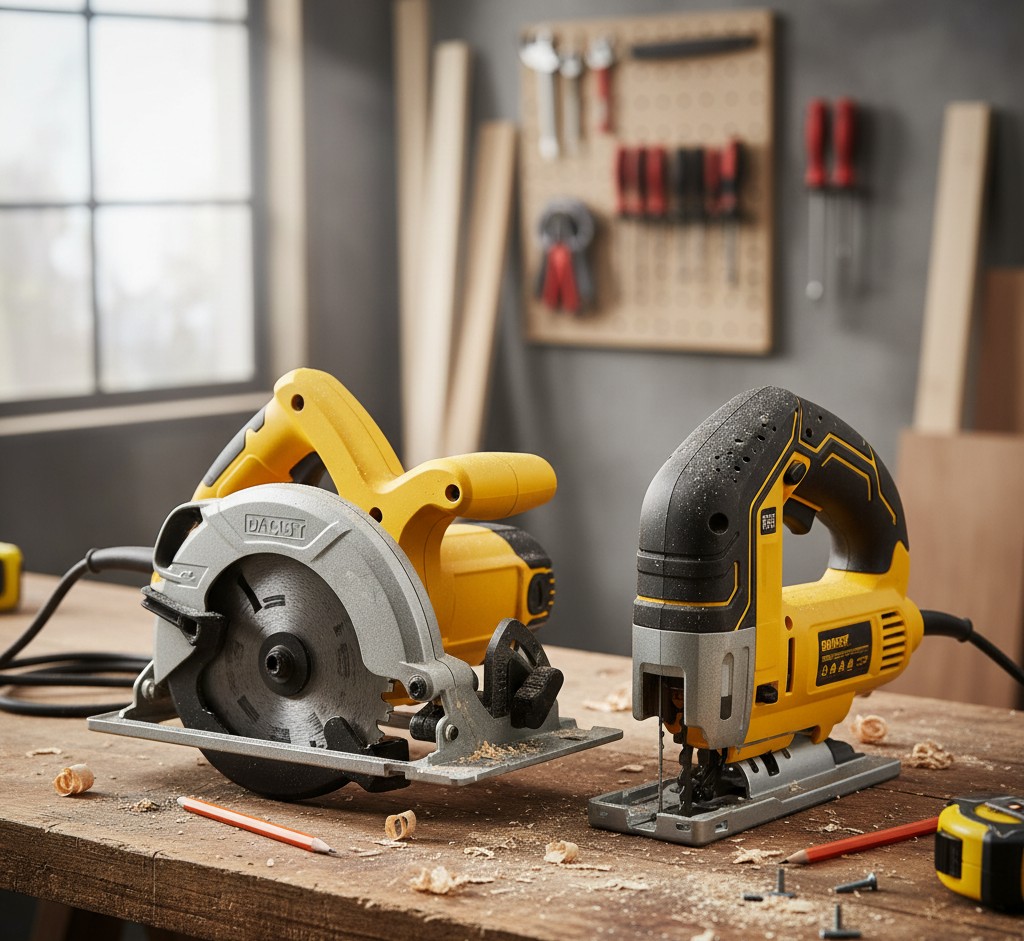
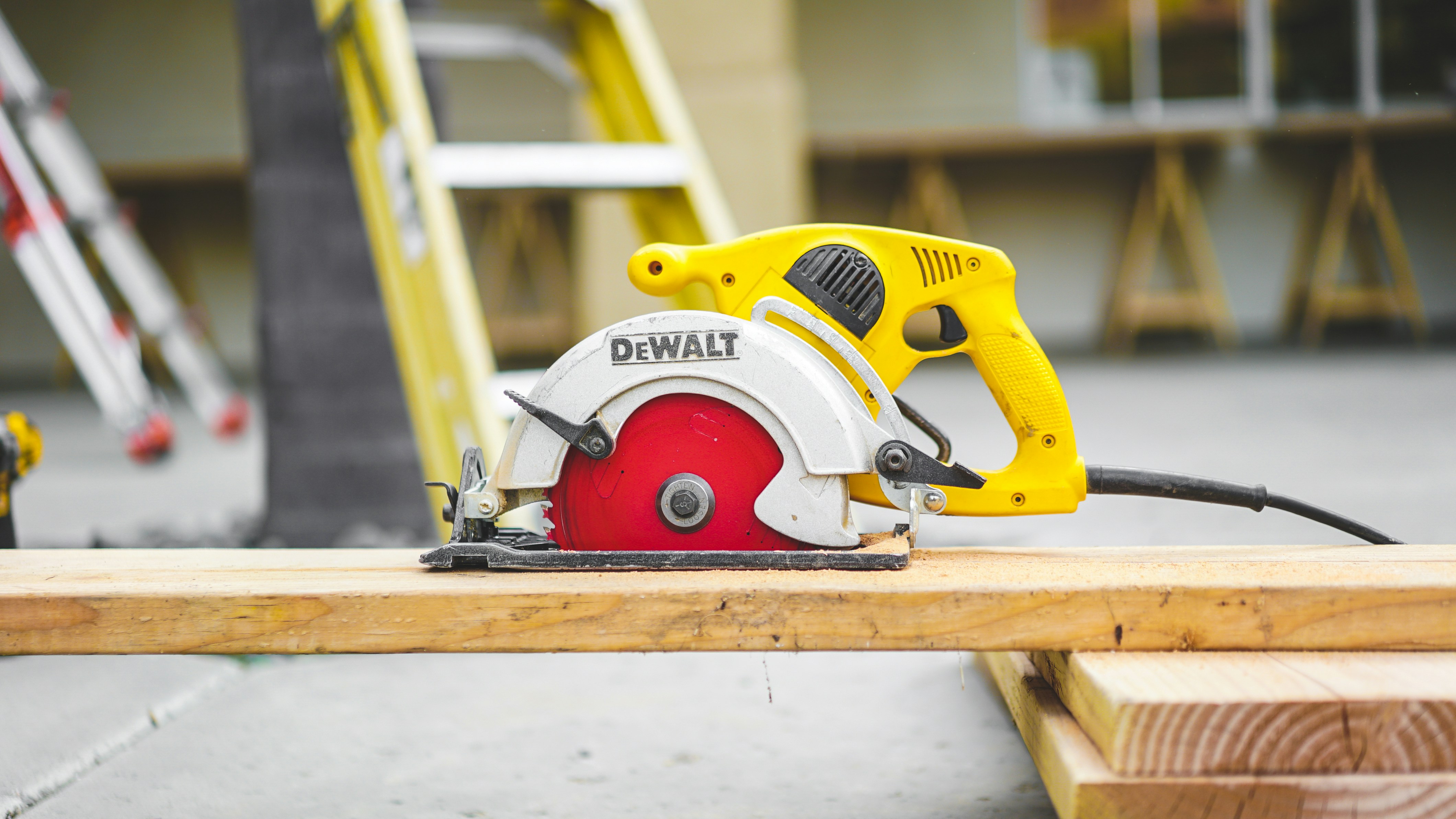
The circular saw handles 80% of cuts on any job site. The jigsaw handles 15%. Neither tool has eliminated the other because straight lines and curves demand different physics - and the 5% of cuts that overlap is where it gets interesting.

November 5, 2025
jigsawcircular saw
The Demolition Saw and the Detail Saw Share a Motion (That's Where the Similarity Ends)
The Workshop

The Demolition Saw and the Detail Saw Share a Motion (That's Where the Similarity Ends)

The reciprocating saw was born for demolition. The jigsaw was born for curves. They share the same blade motion and live in the same toolbox - and the proximity tells you something real about how construction work actually flows.

November 5, 2025
reciprocating sawjigsaw
Blade Deflection and Circular Saw Binding
The Workshop

Blade Deflection and Circular Saw Binding

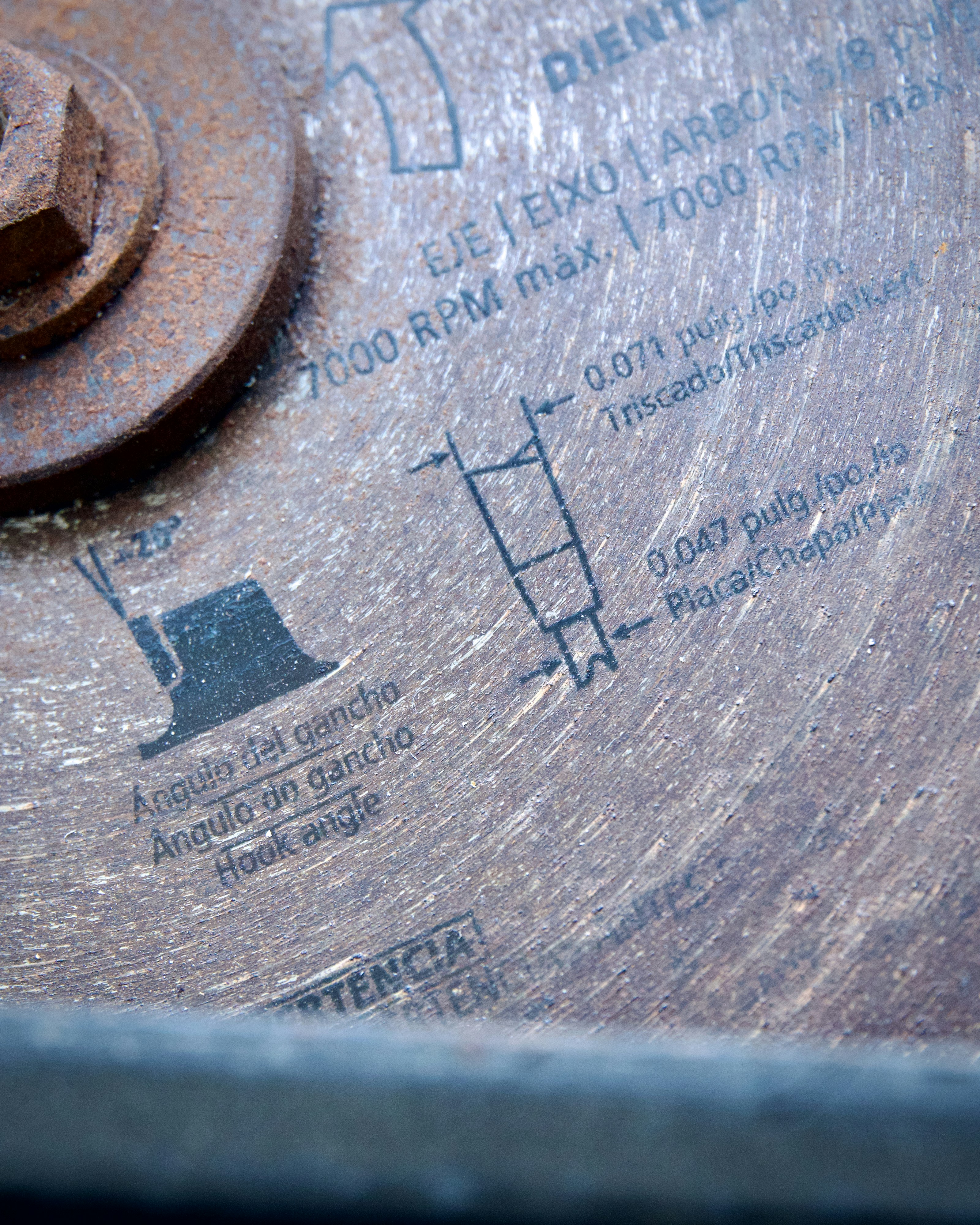
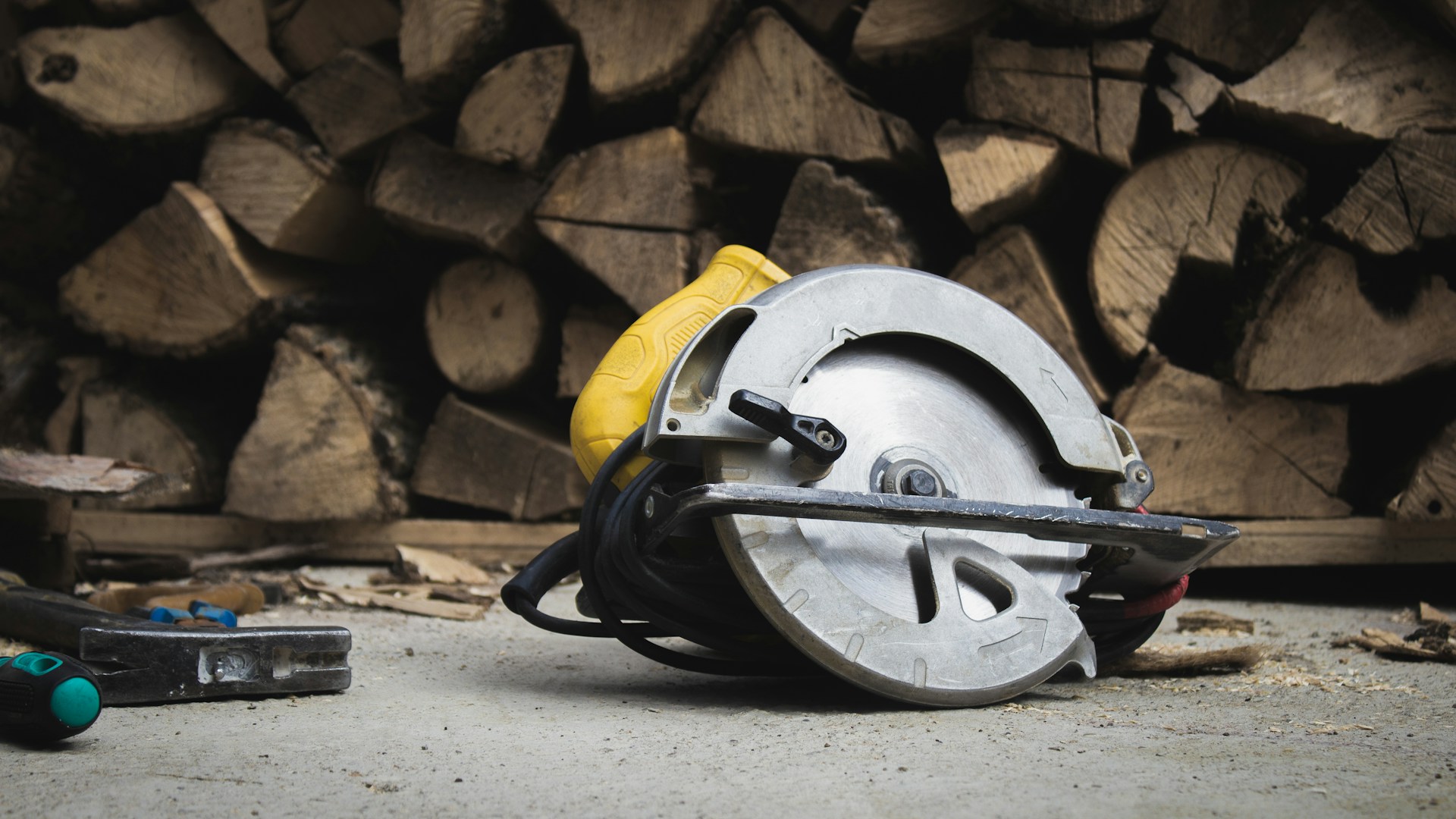
A circular saw blade is a thin steel disc that flexes under cutting load. When it flexes far enough to rub the kerf walls, friction generates heat that expands the blade into tighter contact. The feedback loop ends in binding.

November 4, 2025
circular sawblade deflection
What Actually Happens Inside a Circular Saw Guard During Kickback
The Workshop

What Actually Happens Inside a Circular Saw Guard During Kickback

The blade guard closes in about a tenth of a second. Kickback moves the saw several inches in a tenth of a second. That timing mismatch defines the limits of a safety device racing an emergency that gets a head start.

November 4, 2025
circular sawblade guard
Why Unsupported Wood Causes Kickback
The Workshop

Why Unsupported Wood Causes Kickback

Gravity pulls unsupported wood downward during cutting, closing the kerf behind the blade. The pinching develops progressively - barely detectable for the first 80% of the cut, then accelerating through the final inches where kickback strikes.

November 4, 2025
circular sawkickback
Why Serious Woodworkers Own Three Marking Gauges Instead of One
The Workshop

Why Serious Woodworkers Own Three Marking Gauges Instead of One

The combination gauge exists. It does both marking and mortise work. Experienced woodworkers refuse to use it. Why does the market offer simplicity that craftspeople reject?

October 30, 2025
marking gaugesmortise gauges
Why Self-Centering Dowel Jigs Drift
The Workshop

Why Self-Centering Dowel Jigs Drift

Self-centering dowel jigs promise automatic alignment. The mechanism is elegant. The physics guarantee it can't deliver the precision it implies - and the entire product category exists in the gap between promise and tolerance.

October 30, 2025
dowel jigsjoinery accuracy
Bevel Up vs Bevel Down: Why Hand Planes Face Their Blades in Opposite Directions
The Workshop

Bevel Up vs Bevel Down: Why Hand Planes Face Their Blades in Opposite Directions

Bevel-down locks the cutting angle at 45 degrees and adds a chipbreaker for tearout control. Bevel-up lets you change the angle by resharpening. Same family. Opposite engineering.

October 29, 2025
hand planesbevel up
Grease Gun Cartridge vs Bulk Fill: Why Loading Method Changes Everything
The Workshop

Grease Gun Cartridge vs Bulk Fill: Why Loading Method Changes Everything

Cartridge grease costs six times more per ounce than bulk. The savings sound obvious until you've spent fifteen minutes with grease up to your elbows fighting air pockets in a barrel you can't quite thread back together.

October 28, 2025
grease guncartridge loading
Why Wood Lathes Weigh So Much (And Why That Matters)
The Workshop

Why Wood Lathes Weigh So Much (And Why That Matters)

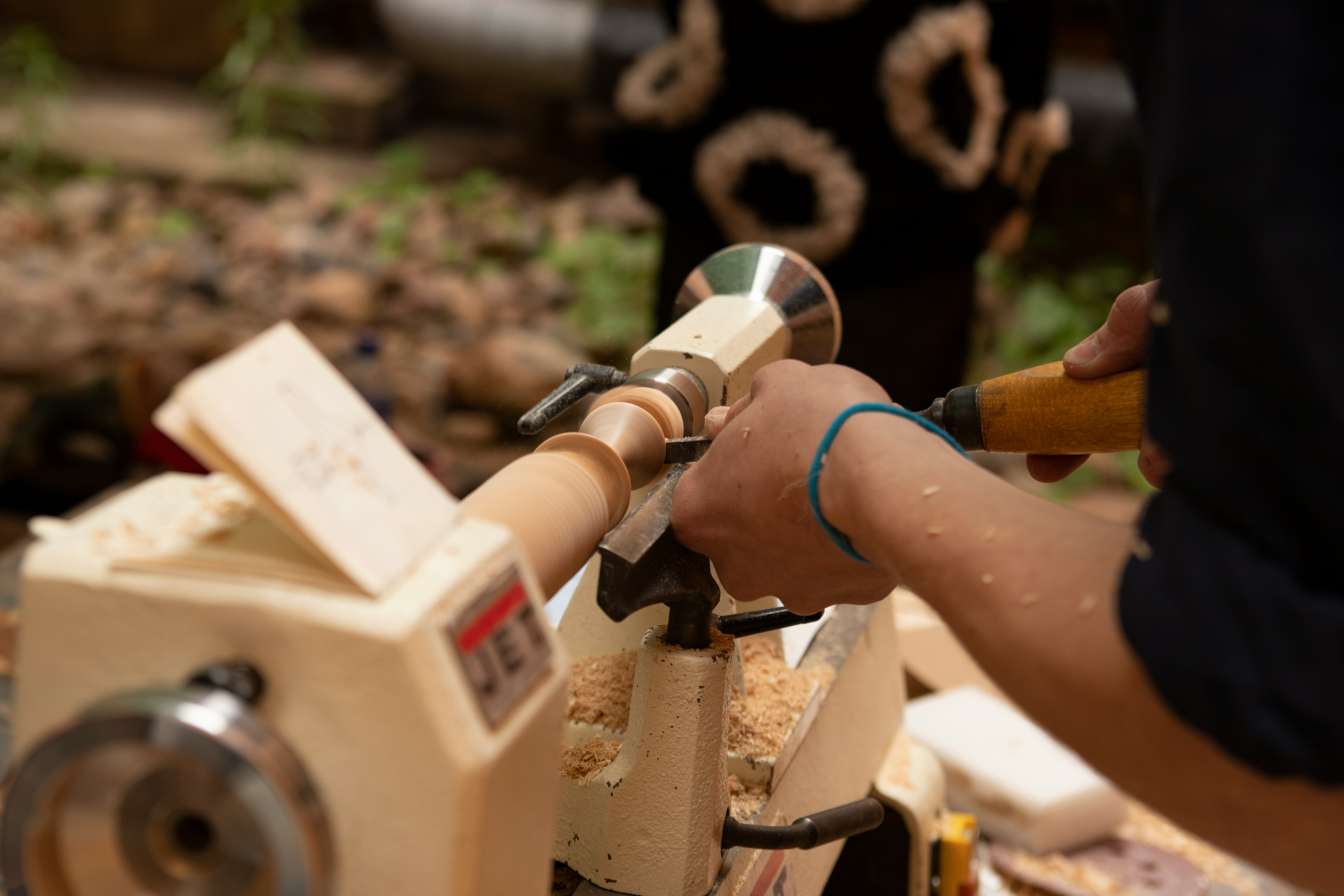
A wood lathe that weighs 200 pounds does something a 50-pound lathe physically cannot. The relationship between mass and vibration dampening is the reason serious lathes are built like anchors.

October 18, 2025
wood lathevibration
The Strange Standardization of Belt Sander Sizes (And Why 3x21 Won't Die)
The Workshop

The Strange Standardization of Belt Sander Sizes (And Why 3x21 Won't Die)

Nobody designed the belt sander sizing system. No committee decided 3 inches was the right width. The sizes emerged through decades of manufacturers copying each other and customers voting with purchases - and now they're permanent, the way most useful standards come to exist.

October 12, 2025
belt sandersanding belts
Why Belt Sanders Persist on Job Sites Despite Orbital Sanders Doing 90% of the Work
The Workshop

Why Belt Sanders Persist on Job Sites Despite Orbital Sanders Doing 90% of the Work

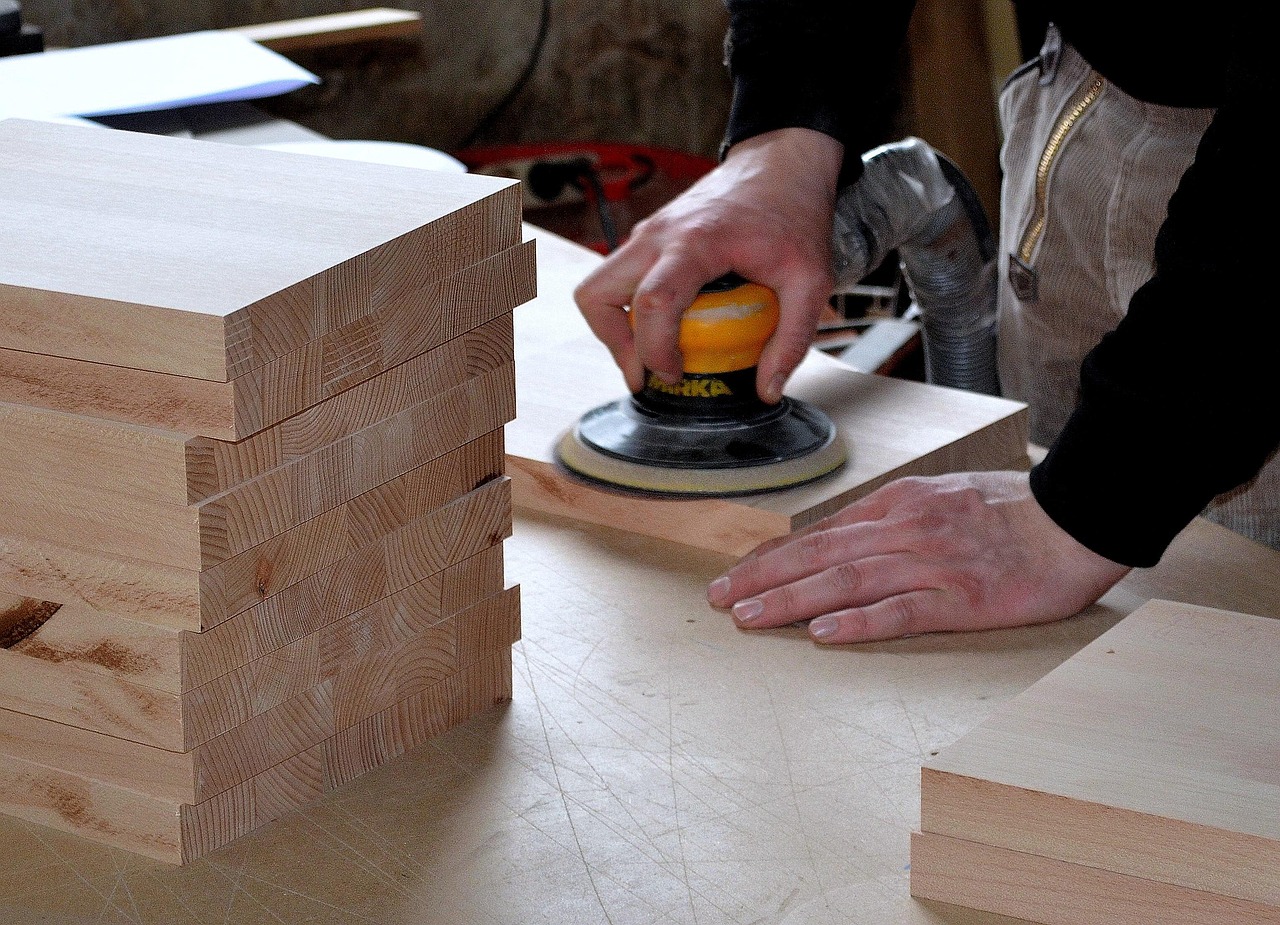
The random orbital sander should have killed the belt sander decades ago. It's lighter, safer, and leaves a surface you can actually finish. But on every serious job site and in every working cabinet shop, the belt sander is still there - pulled out for the jobs nothing else can touch.

October 11, 2025
belt sanderorbital sander
Rasp vs File: What's Actually Different
The Workshop

Rasp vs File: What's Actually Different

Rasps and files both remove material through abrasion, but their tooth geometry creates completely different cutting actions. One tears. The other shears. The distinction matters.

October 11, 2025
raspsfiles
Why Drill Bits Get Hot
The Workshop

Why Drill Bits Get Hot

Touch a drill bit after making a hole and it tells you what happened during the cut. The temperature is diagnostic - a language of friction, sharpness, and material behavior that experienced drillers learn to read.

October 10, 2025
drill bitsheat
Marking Gauge vs Marking Knife vs Pencil: Three Tools, Three Jobs
The Workshop

Marking Gauge vs Marking Knife vs Pencil: Three Tools, Three Jobs

A pencil leaves graphite on the surface. A knife cuts into the fibers. A gauge maintains mechanical parallelism. Three different marks for three different stages of work - and the sequence matters.

October 9, 2025
marking gaugemarking knife
Pin vs Wheel Marking Gauges: What Actually Matters
The Workshop

Pin vs Wheel Marking Gauges: What Actually Matters

Pins dig and separate wood fibers. Wheels roll and slice them. The mechanical difference sounds trivial until you mark across the grain on white oak - then it explains everything.

October 9, 2025
marking gaugepin gauge
Why Fret Saw Blades Come in 47 Sizes (And Most Woodworkers Only Need Three)
The Workshop

Why Fret Saw Blades Come in 47 Sizes (And Most Woodworkers Only Need Three)

The fret saw blade catalog is a fossil record of two completely different woodworking traditions - the scroll art crowd and the joinery crowd - buying from the same suppliers for completely different reasons. Most of the 47 sizes in the catalog exist for one tradition. Most woodworkers only ever touch three.

October 8, 2025
fret sawsaw blades
Three Saws That Cut Curves, Three Completely Different Reasons to Own One
The Workshop

Three Saws That Cut Curves, Three Completely Different Reasons to Own One

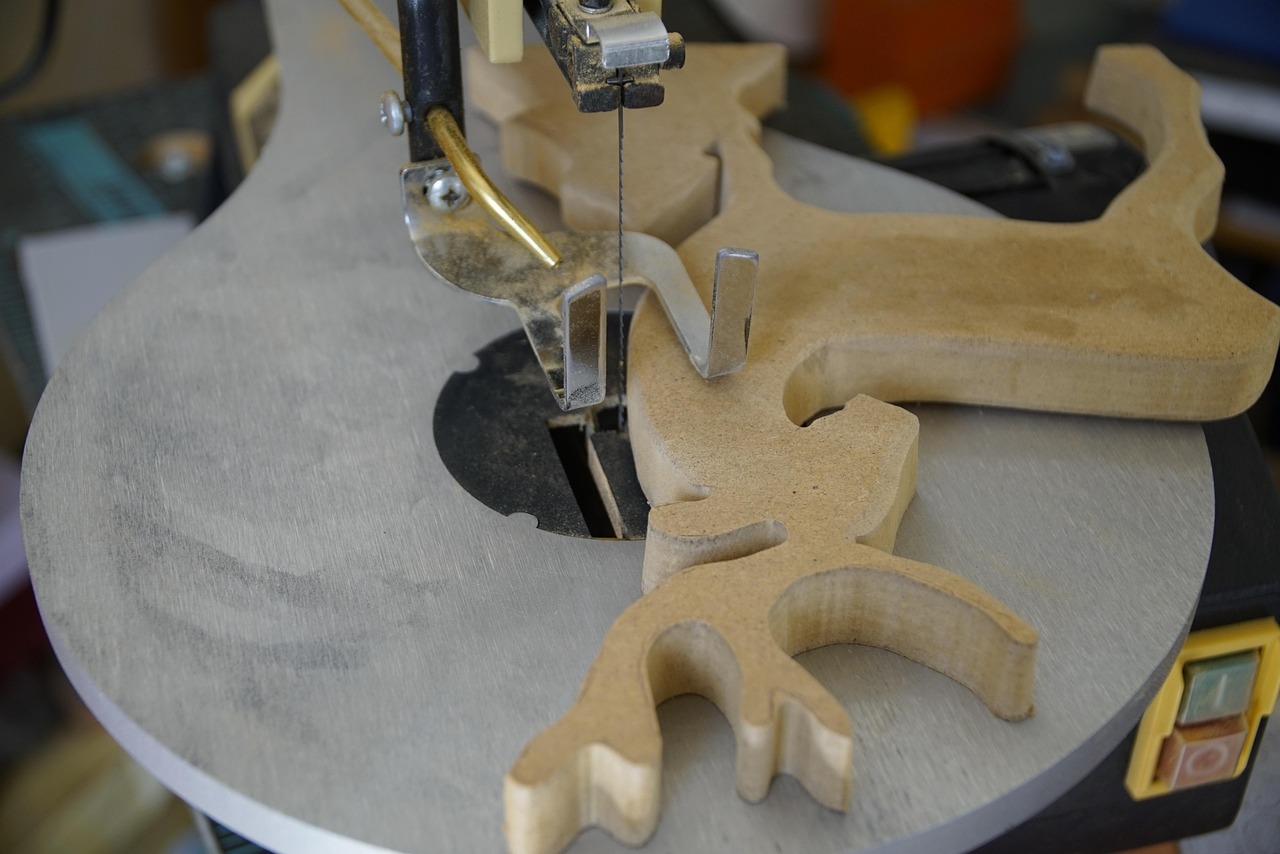
The fret saw, coping saw, and scroll saw all cut curves. They look similar enough that people mix them up constantly. But each one survives because it solves a problem the other two can't - and the finish carpenter with a $15 coping saw proves it every day.

October 8, 2025
fret sawcoping saw
The Accidental Dovetail Tool: How a Decorative Saw Became Essential for Joinery
The Workshop

The Accidental Dovetail Tool: How a Decorative Saw Became Essential for Joinery

Nobody designed the fret saw for dovetails. It was built for decorative scroll work in thin sheet material. The fact that it became the standard tool for clearing dovetail waste is pure accident - a blade width that happens to fit a dovetail kerf, a frame depth that happens to clear a workpiece, and a tooth count that happens to handle end grain.

October 8, 2025
fret sawdovetails
How a Surgical Cutting Tool Became Construction's Swiss Army Knife
The Workshop

How a Surgical Cutting Tool Became Construction's Swiss Army Knife

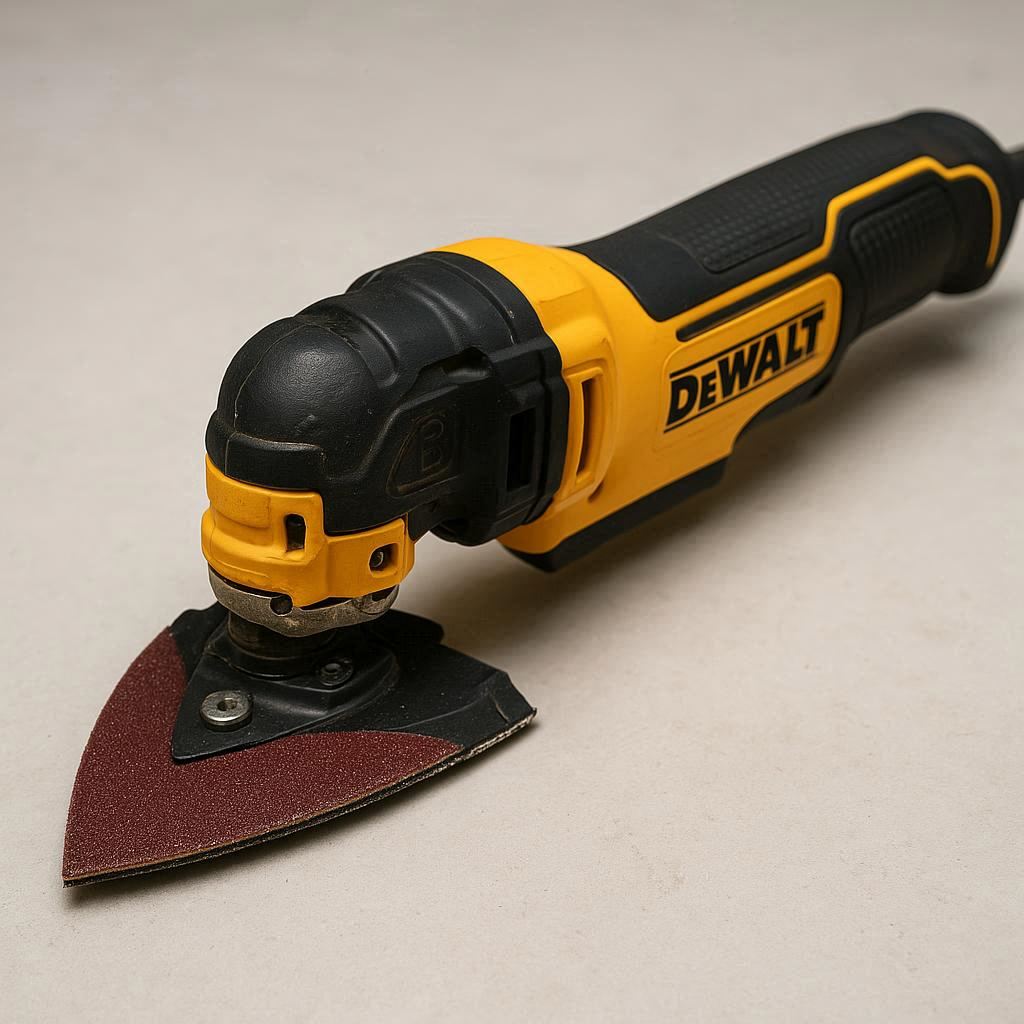
Fein designed the oscillating multi-tool to remove casts from broken limbs. Decades later, remodeling crews use it for cutting, scraping, sanding, and anything else that fits in a tight space. The sanding attachment was an afterthought - and it performs like one.

October 5, 2025
detail sandermulti-tool
How the Random Orbital Sander Changed Finishing (And What It Still Can't Reach)
The Workshop

How the Random Orbital Sander Changed Finishing (And What It Still Can't Reach)

In 1968, Italian manufacturer Rupes brought the first random orbital sander to market. The dual-motion design solved the swirl problem that had plagued powered sanding. The detail sander appeared later, born from the one thing circular pads can't do: corners.

October 5, 2025
detail sanderorbital sander
How the Impact Driver Stole Half the Drill's Job (And Why the Drill Doesn't Care)
The Workshop

How the Impact Driver Stole Half the Drill's Job (And Why the Drill Doesn't Care)

Impact driver sales grew 340% in a decade while drill sales stayed flat. The impact driver took over fastening entirely and started encroaching on drilling. Yet the drill didn't flinch. The physics of percussive delivery explain why both tools ended up on the same belt instead of one replacing the other.

September 7, 2025
impact driverdrill