Why Pressure-Treated Lumber Destroys Saw Blades
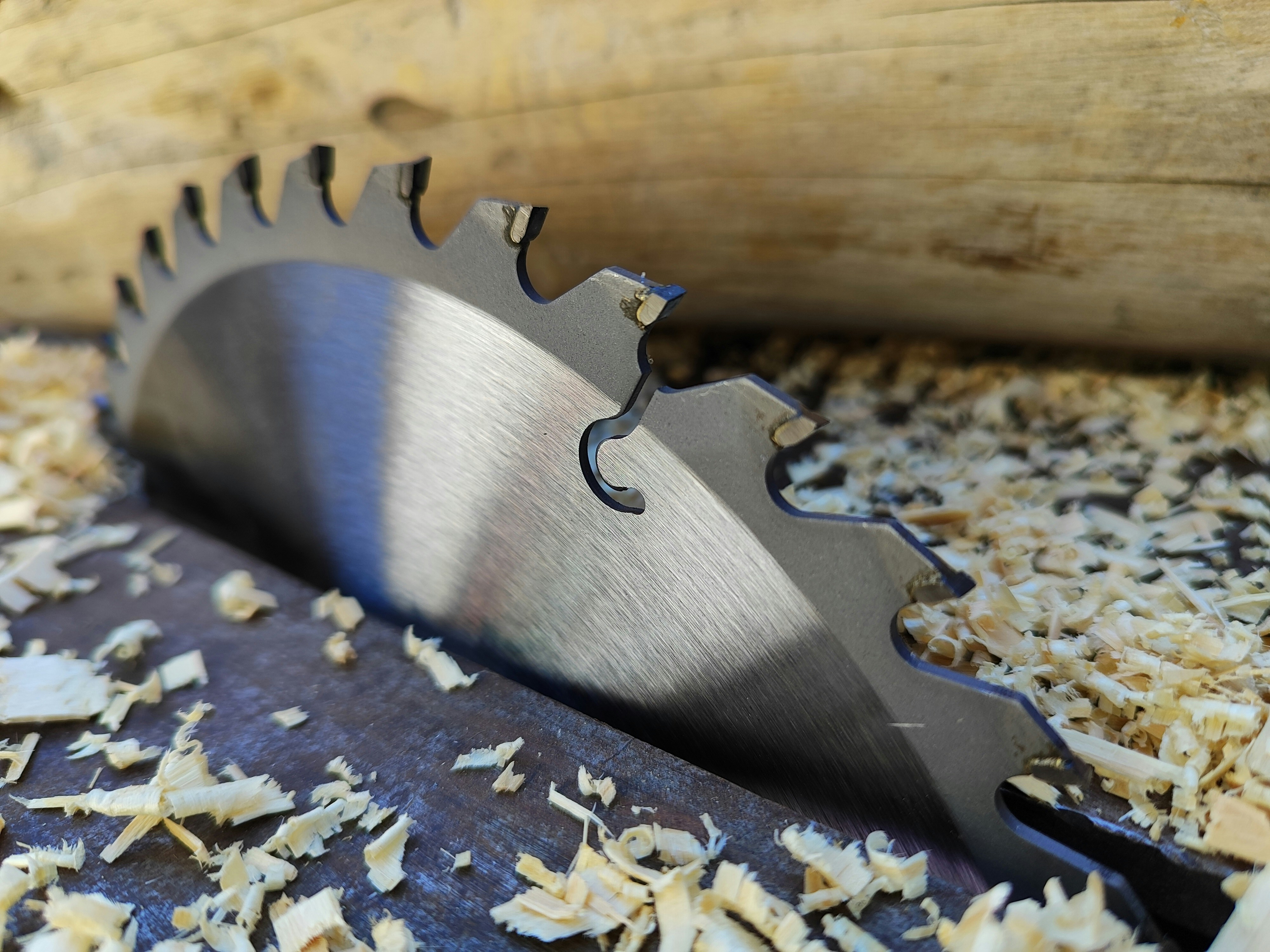
A blade that handles 800 to 1,200 linear feet of regular pine manages 200 to 400 feet of pressure-treated lumber. Sometimes less. Same blade, same saw, same operator. The only variable is the chemistry pumped into the wood, and that chemistry is specifically designed to be aggressive - to poison fungi, repel insects, and outlast decades of ground contact. The saw blade is collateral damage in a preservative system that never considered tooling costs.
The green tint gives it away. That color comes from copper compounds - Alkaline Copper Quaternary or Copper Azole - forced into the wood fibers under 150 PSI for about an hour. A single 8-foot 2x4 contains roughly 0.15 to 0.40 pounds of copper distributed through its structure. The copper is what makes the wood last. The copper is also what makes the blade die.
Tribochemical Warfare
Here's where pressure-treated lumber gets genuinely interesting from a materials science perspective. The destruction mechanism isn't mechanical - it's chemical. At the friction temperatures a spinning blade generates (400-600 degrees at the tooth interface), the copper compounds become chemically aggressive. They begin bonding with the cobalt binder that holds the tungsten carbide crystals together in each tooth.
Oregon State University documented this phenomenon, finding carbide teeth exposed to copper-laden sawdust at high temperatures showed 3.7 times more wear than identical teeth cutting untreated lumber. The mechanism has a name: tribochemical wear. Mechanical friction and chemical reaction working in concert. The copper doesn't grind the carbide down. It dissolves the glue holding the carbide together.
The distinction matters because it explains why harder blades don't solve the problem the way they would for abrasive materials like melamine or fiber cement. Those materials attack through grinding. Pressure-treated lumber attacks through chemistry. A blade can be infinitely hard and still lose teeth to copper's assault on the cobalt binder.
The Salt Nobody Mentions
Copper gets the attention, but the supporting cast does its own damage. The treatment process leaves residual salts in the wood - hygroscopic compounds that pull moisture from air. "Dried" pressure-treated lumber still carries 15-19% moisture content compared to 8-12% for kiln-dried untreated wood. That extra moisture creates steam during cutting, which creates additional friction, which accelerates corrosion, which generates more heat.
The salt crystals themselves act as microscopic abrasives. Electron microscopy of pressure-treated sawdust reveals angular crystalline structures sized perfectly to wedge between blade plate and kerf wall, creating friction and heat independent of the copper chemistry. It's a secondary attack on top of the primary one.
Coastal crews report the worst results. Treatment chemicals combined with ambient salt air create visible pitting and corrosion on blades within days of use. One pattern that shows up consistently across contractor reports: the distinctive rainbow tarnish on carbide teeth - blues, purples, greens - that signals copper contamination has bonded to the carbide surface. Standard blade cleaners can't touch it because the contamination isn't on the surface. It's in the surface.
The Moisture Time Bomb
Freshly treated lumber is dramatically worse than aged stock. A Forest Products Laboratory study found blades cutting lumber less than 60 days from treatment experienced 250% more wear than identical blades cutting six-month-old stock. The difference tracks directly to moisture content dropping from 35% to 19% over that aging period.
The moisture doesn't distribute evenly. Treatment creates density variations within the wood, with some areas holding three times more moisture than adjacent sections. When the blade hits a wet pocket, sudden steam generation creates thermal shock - rapid heating followed by rapid cooling that micro-fractures the carbide. Invisible damage that accumulates into visible performance collapse.
Seasonal patterns compound it. Pressure-treated lumber cut during humid summer months shows 40% more blade wear than identical lumber cut in dry winter conditions. The wood's moisture equilibrium shifts with ambient humidity, and every percentage point of additional moisture translates to more steam, more chemistry, more blade destruction.
What the Economics Actually Look Like
A mid-sized deck company cutting around 5,000 linear feet of treated lumber monthly faces $3,000 to $5,000 in direct blade replacement costs annually. Factor in downtime for changes, reduced cutting speed as blades degrade, increased motor strain from forcing dull teeth through chemically active wood, and the real number approaches $8,000 to $10,000 per crew.
Blade manufacturers responded with the same playbook that works across the materials-vs-tools landscape. "Demolition-rated" and "treated lumber" blade lines appeared, running significant premiums for somewhat longer survival. The math often favors cheap disposable blades changed frequently over expensive blades pushed past their window - a $25 blade replaced every 200 feet frequently beats a $180 blade lasting 400 feet.
The warranty fine print tells the real story. Major blade manufacturers now exclude "excessive wear from cutting treated or contaminated lumber" from their coverage. Internal testing documents from one manufacturer, surfaced during a warranty dispute, showed their "lifetime warranty" blades lasting just 4% of rated capacity when used exclusively on pressure-treated stock.
The preservative industry doesn't pay for blades. The same externalized-cost dynamic that runs through OSB resin, composite decking, and melamine applies here: the chemistry that makes the material valuable is the chemistry that makes it expensive to process, and that expense falls entirely on the downstream user. Every deck built, every fence erected, every retaining wall constructed leaves a trail of dead blades that nobody upstream accounts for.
The copper-laden sawdust doesn't disappear after cutting either. It accumulates on table saw tops, corrodes miter saw fences, infiltrates dust collection systems. The preservative that was designed to be persistent is exactly that - persistent on every surface it touches, tool and workpiece alike. The chemistry that makes pressure-treated lumber last 40 years in the ground also makes its effects on tooling last far longer than any contractor would prefer.