Discover 28 posts about materials
A furniture maker builds a table in January at 25% humidity. By July, the tabletop has swelled three-eighths of an inch. The wood didn't change. The moisture content did.
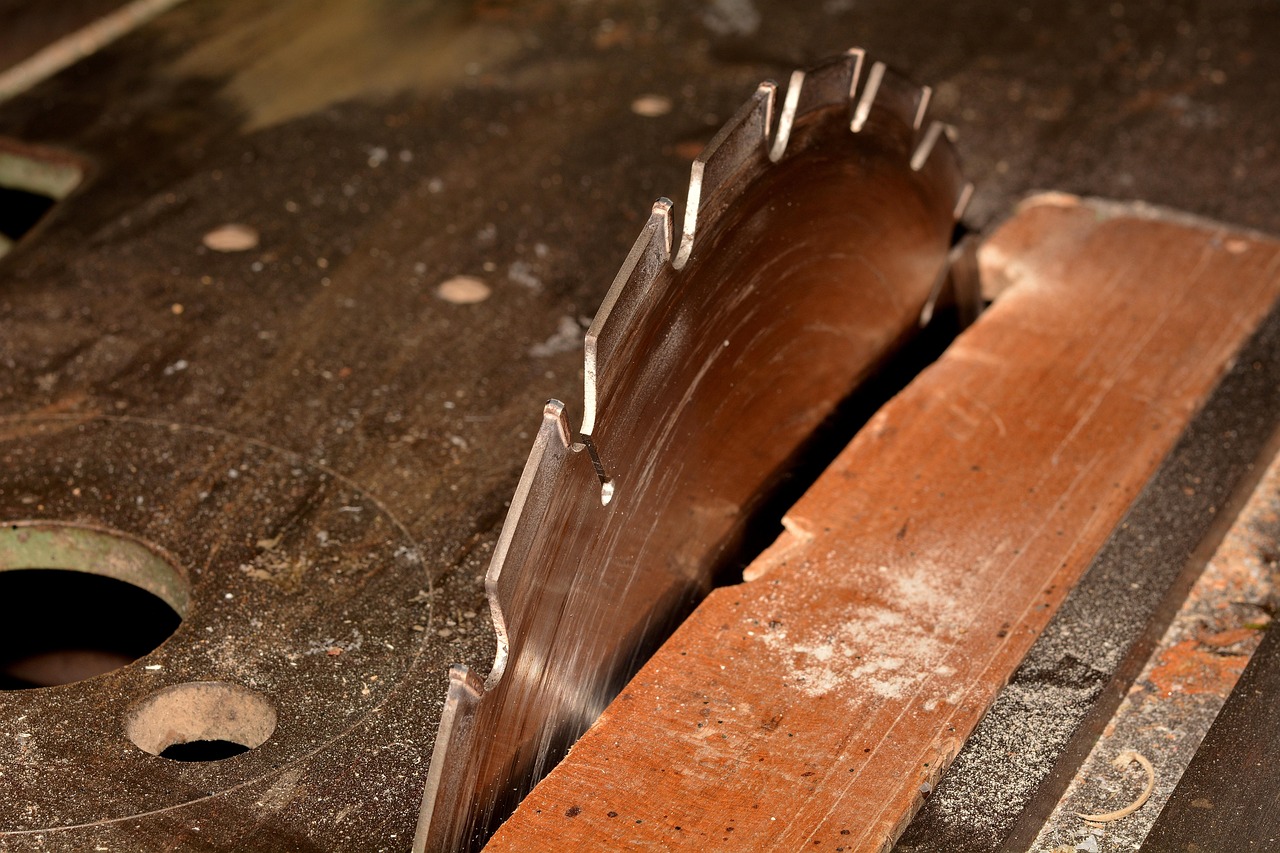
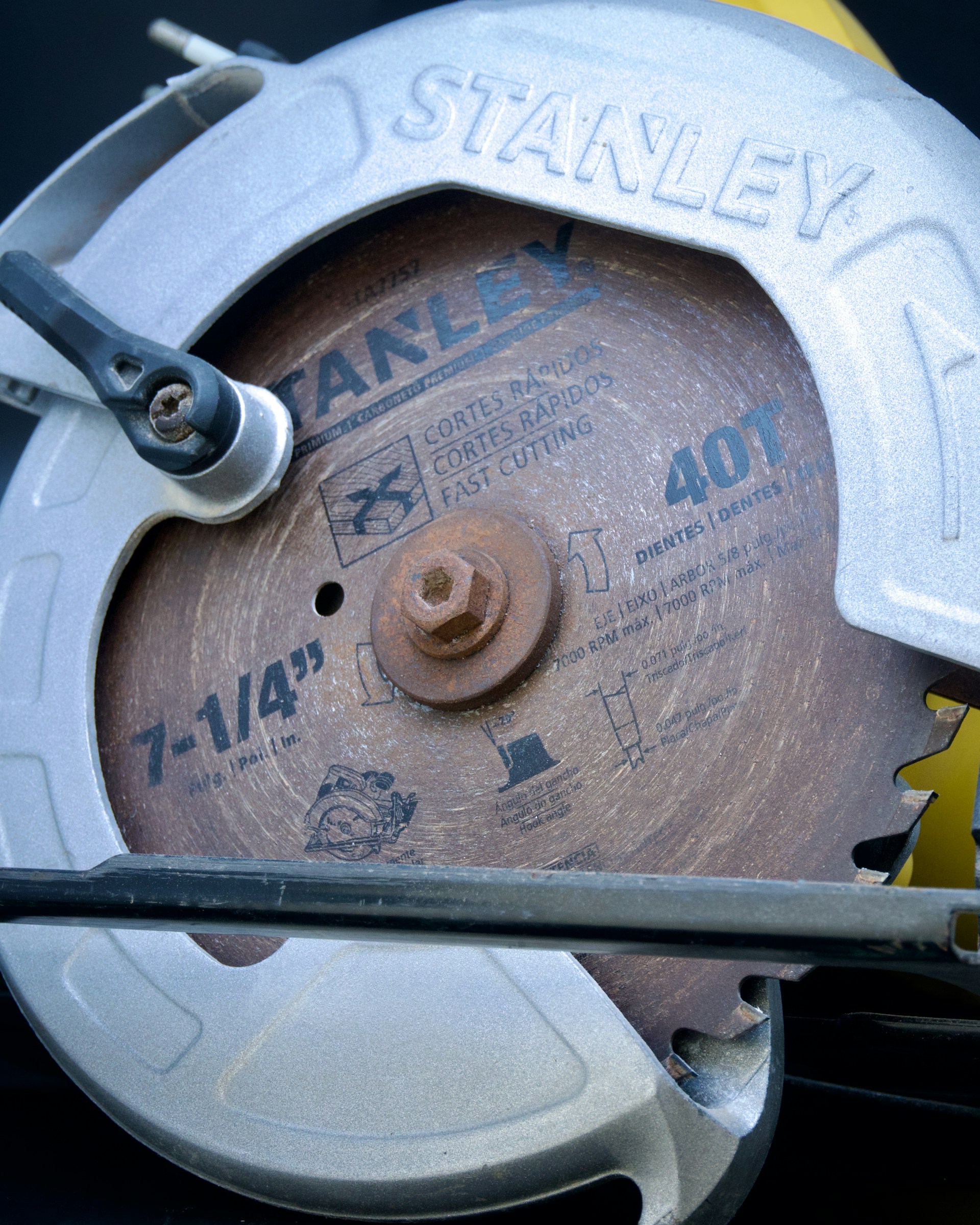
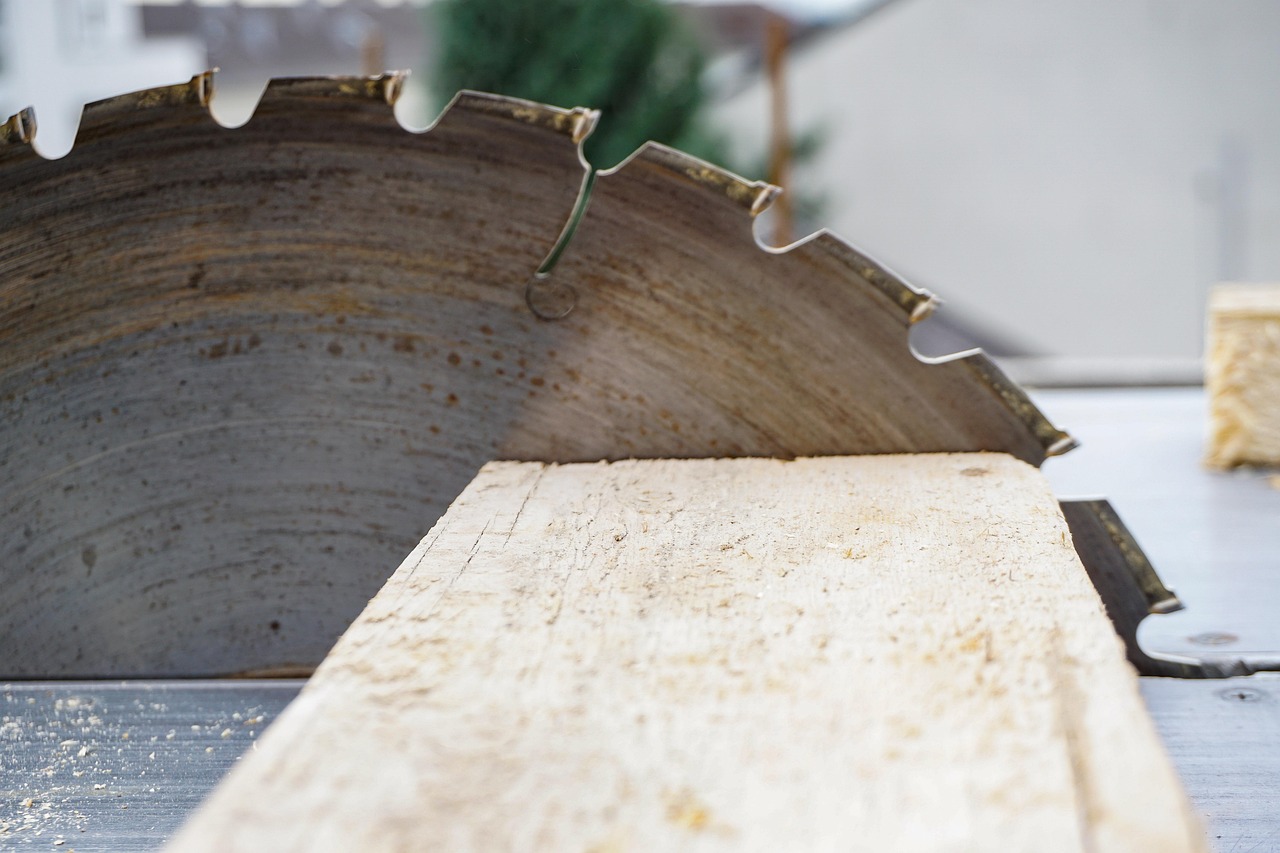
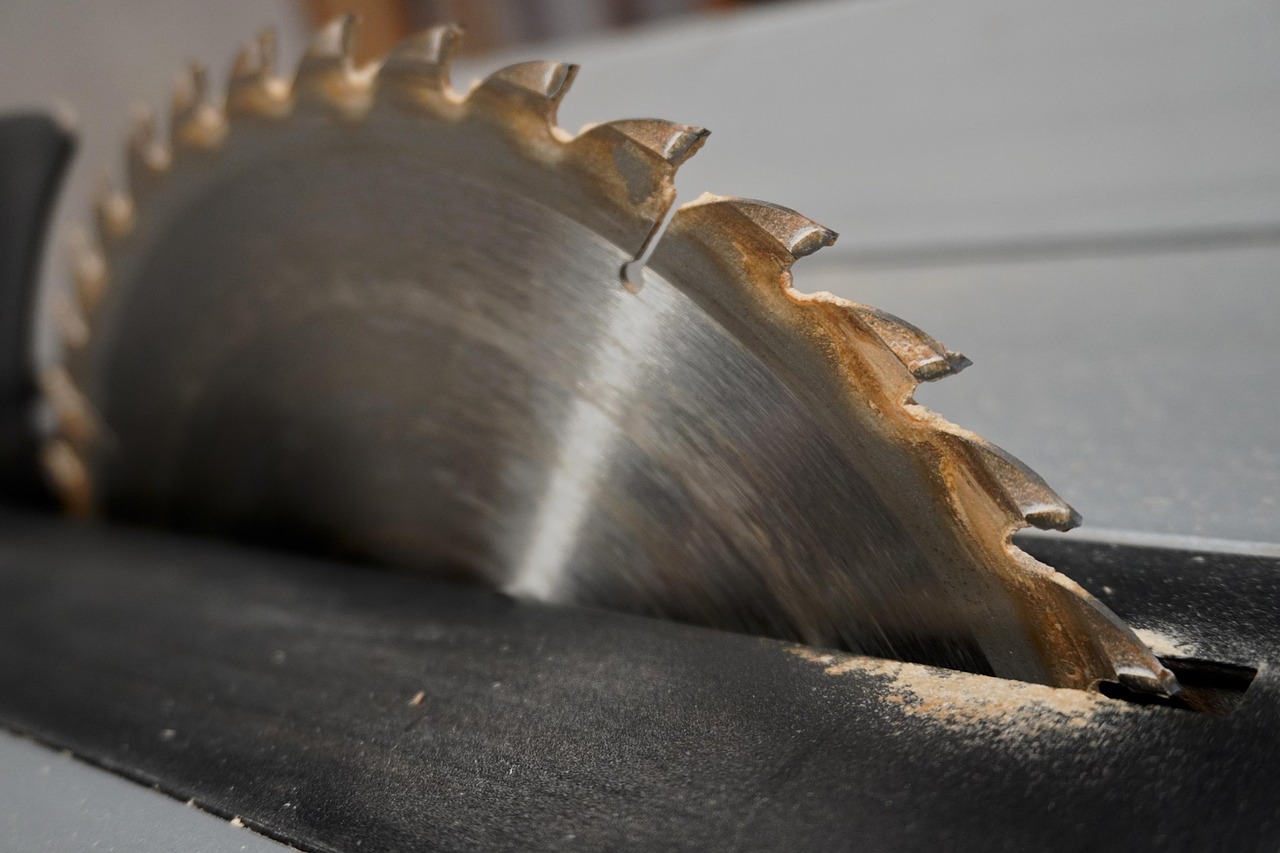
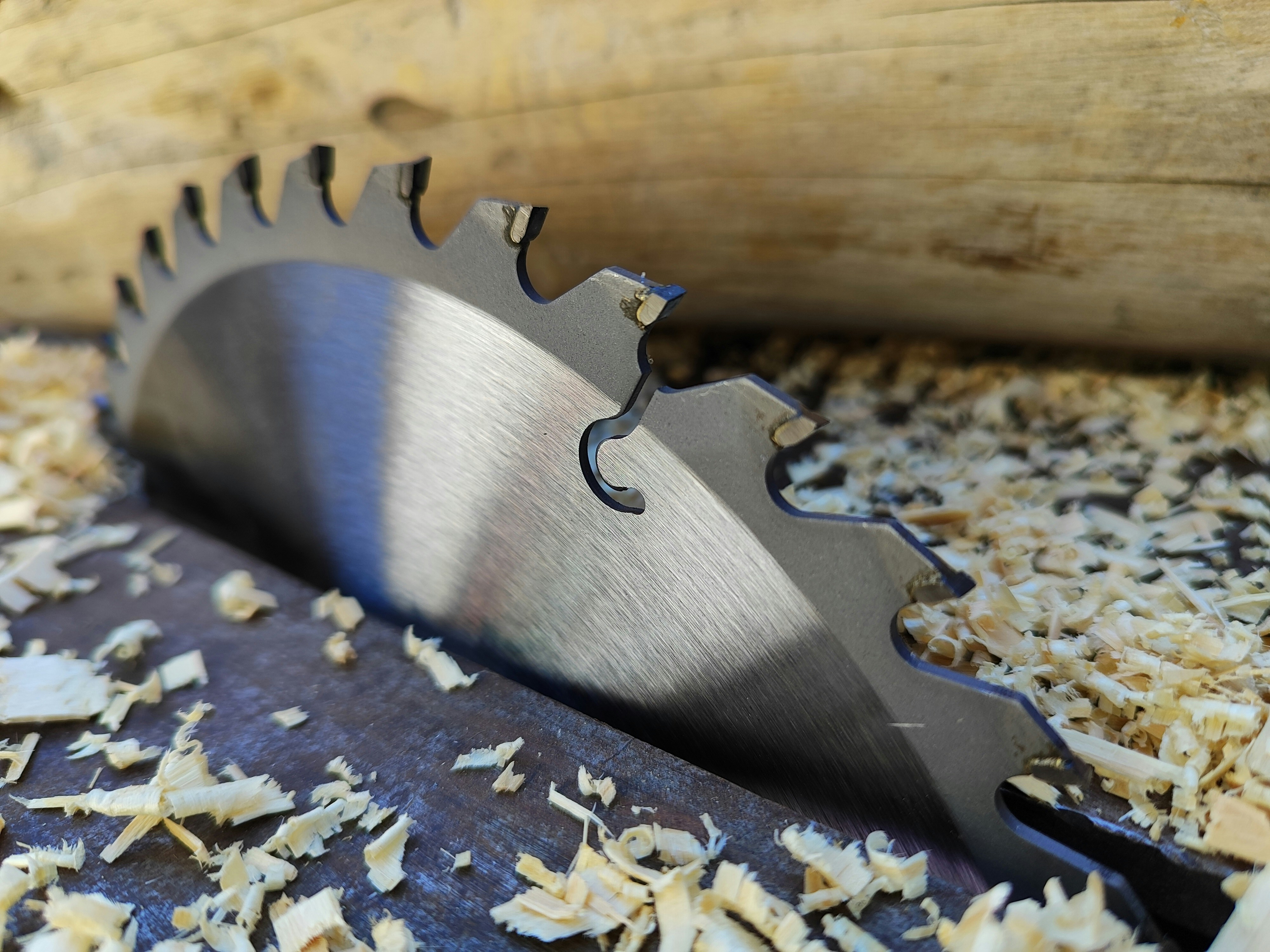
Pull a saw blade from a day of ripping pine and it's coated in sticky pitch resin. Pull the same blade from a day of cutting oak and it's clean but dull. Two completely different failure modes, hidden behind a naming convention that tells you nothing about either one.
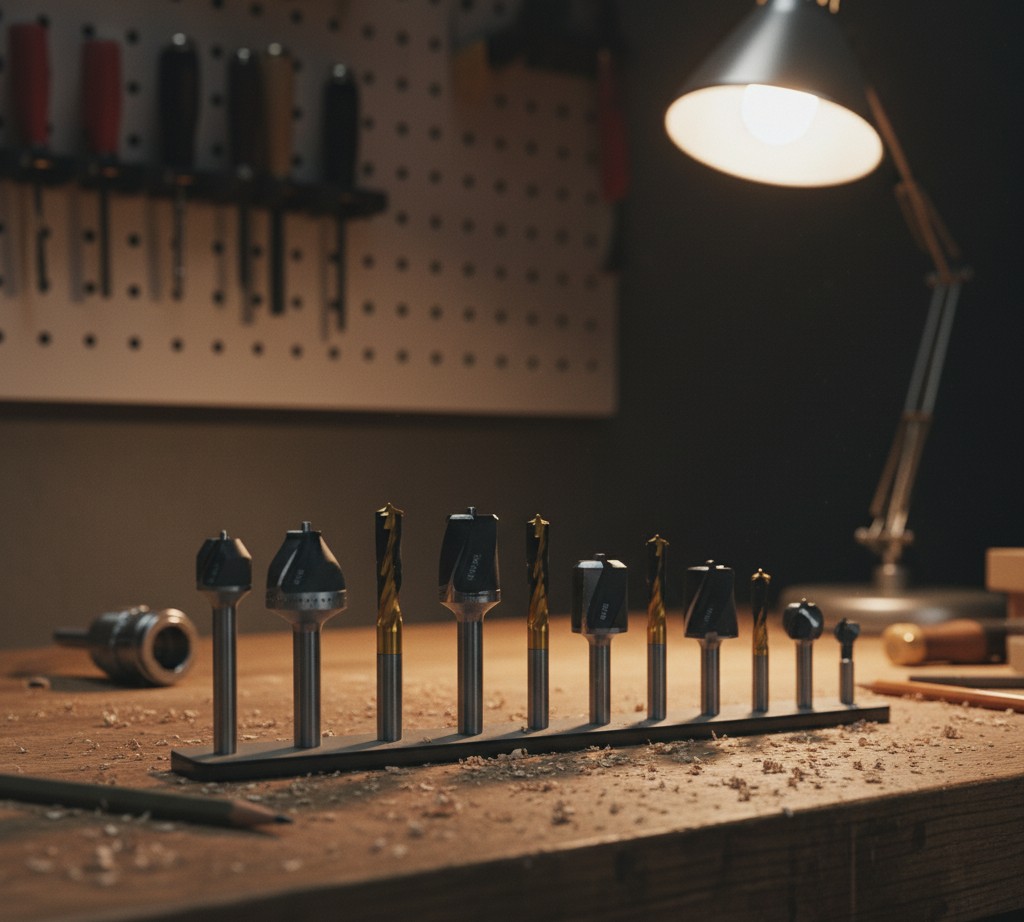
Plywood adhesive contains particles harder than the wood it bonds. Every glue line a router bit crosses is a thin strip of abrasive grinding carbide while melting onto cutting edges. The math explains the shortened tool life.
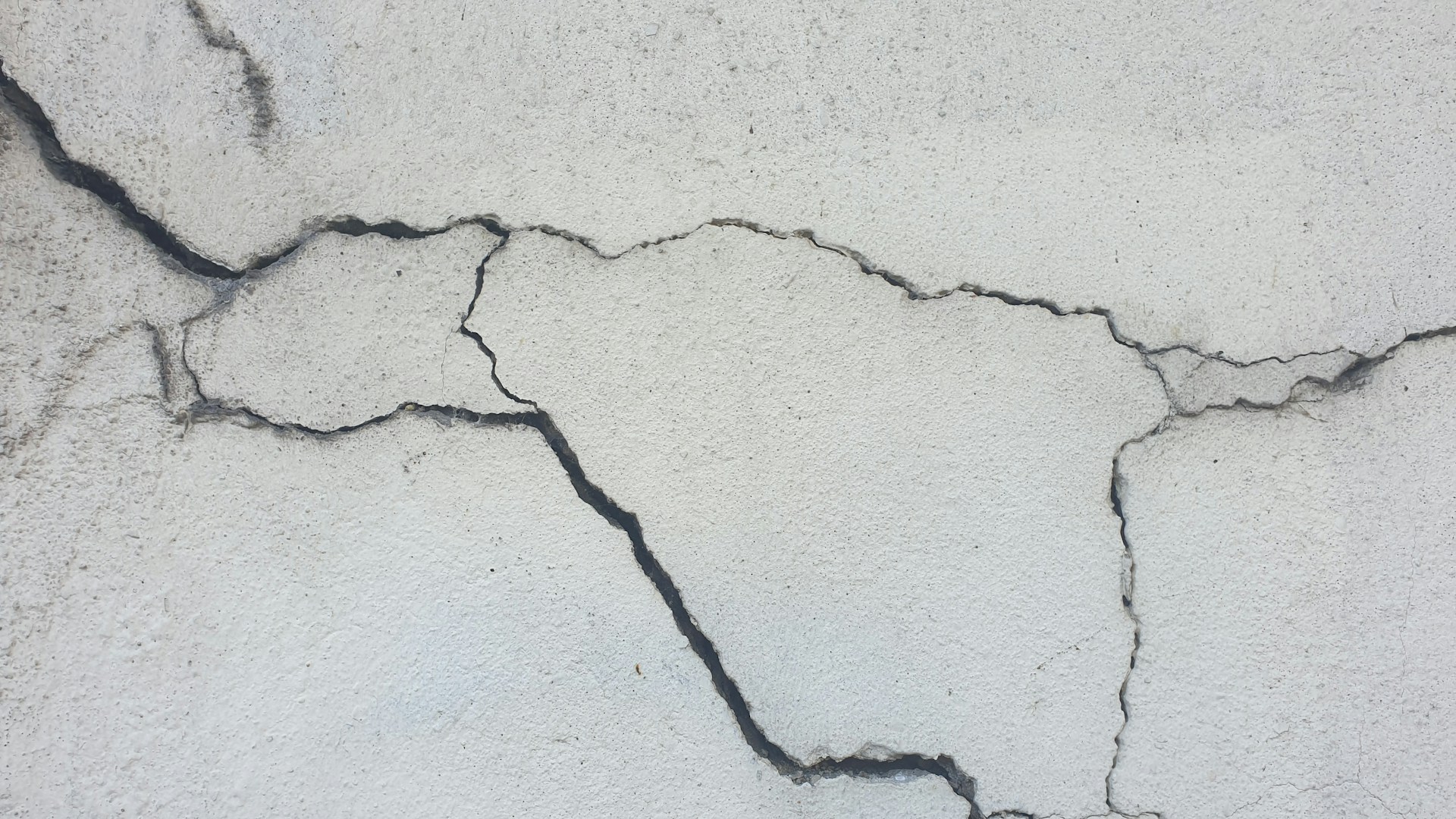
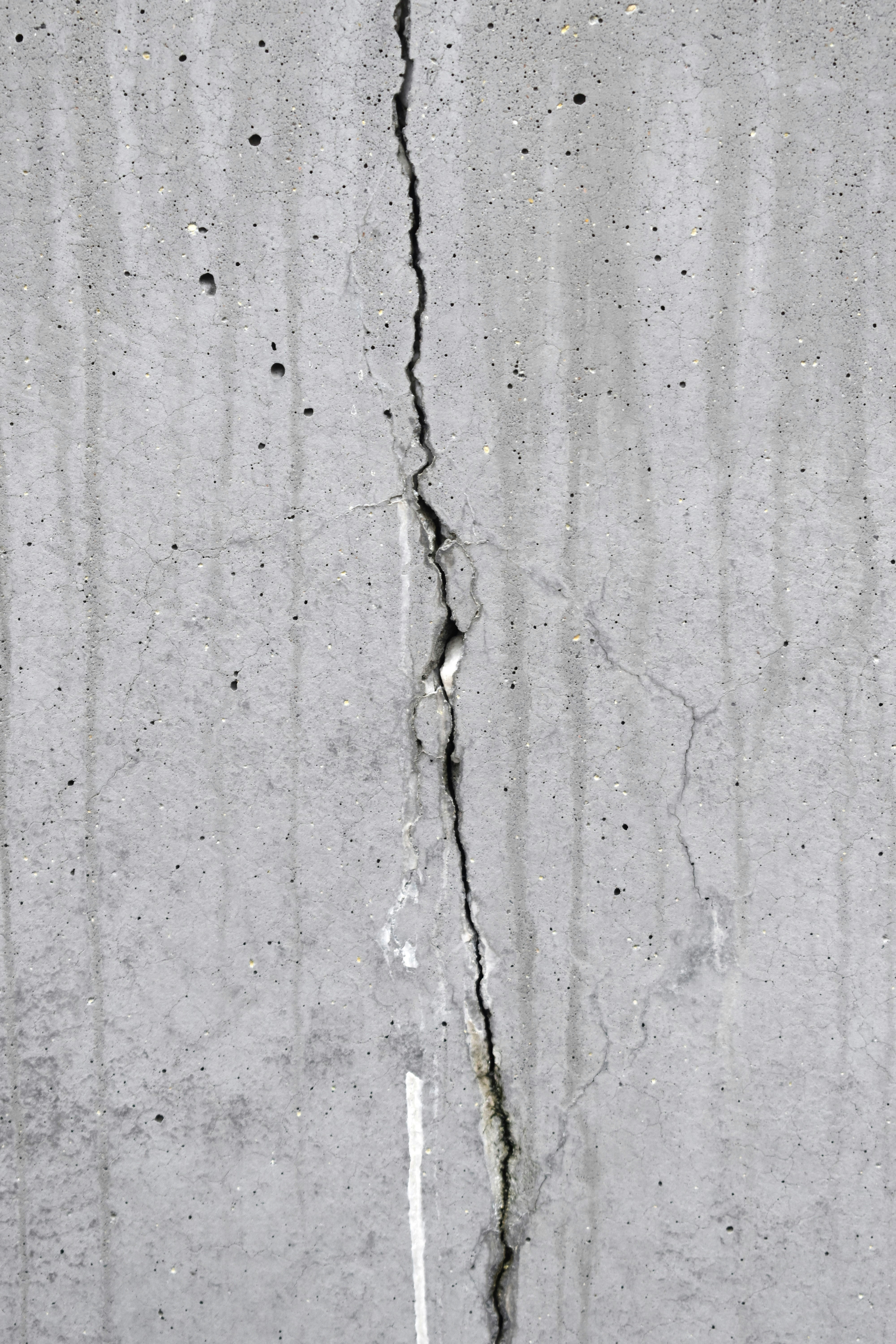
A foundation placed at 70 degrees can reach 140 degrees at its core within 48 hours. The temperature differentials that develop between hot cores and cooler surfaces determine whether the structure cracks before it ever carries load.
The marketing shows smooth pours creating perfect floors. It doesn't show the delamination that starts three months later when the surface profile wasn't right.
The maturity method promises real-time concrete strength from temperature and time alone. The gap between prediction and reality reveals where elegant chemistry meets messy construction sites.
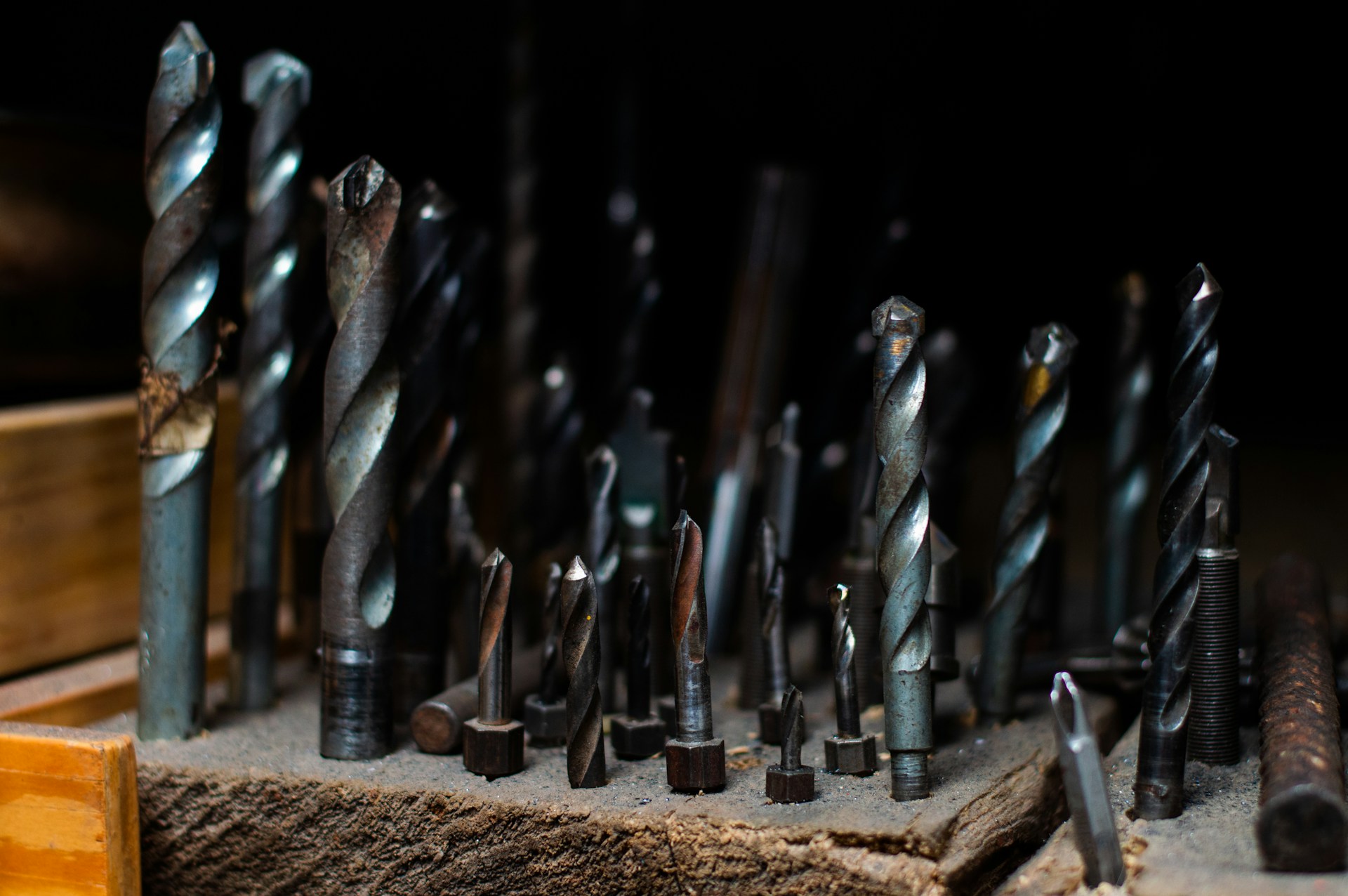
HSS was the machine shop revolution. Cobalt was aerospace's answer. Carbide was construction's demand for disposable performance. Three metals that look identical on the shelf, separated by the industrial eras that forced them into existence.
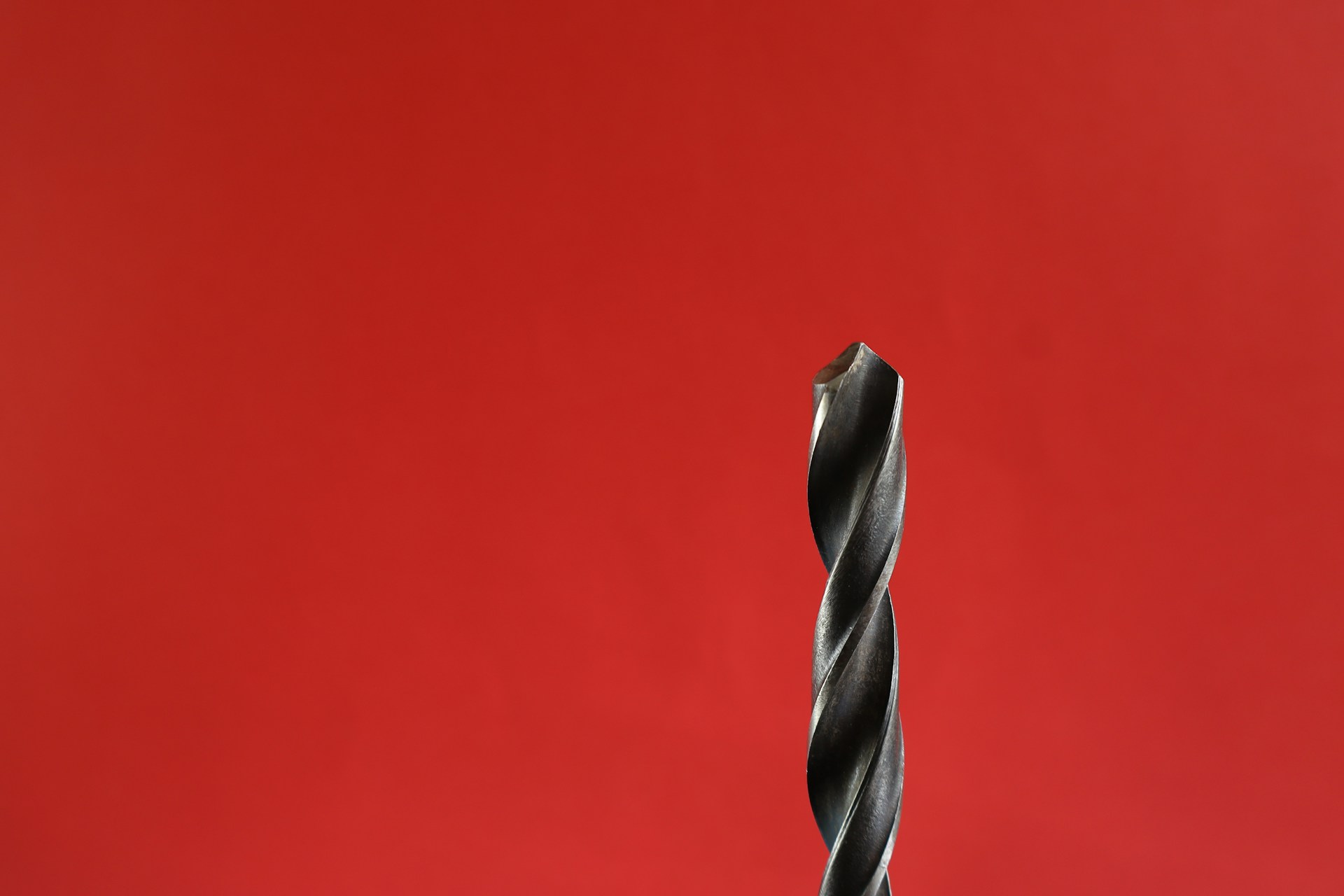
Black oxide, titanium nitride, cobalt coating - the surface treatments on drill bits aren't marketing distinctions. Each coating has specific chemistry that changes how the bit handles heat and friction.
Touch a drill bit after making a hole and it tells you what happened during the cut. The temperature is diagnostic - a language of friction, sharpness, and material behavior that experienced drillers learn to read.
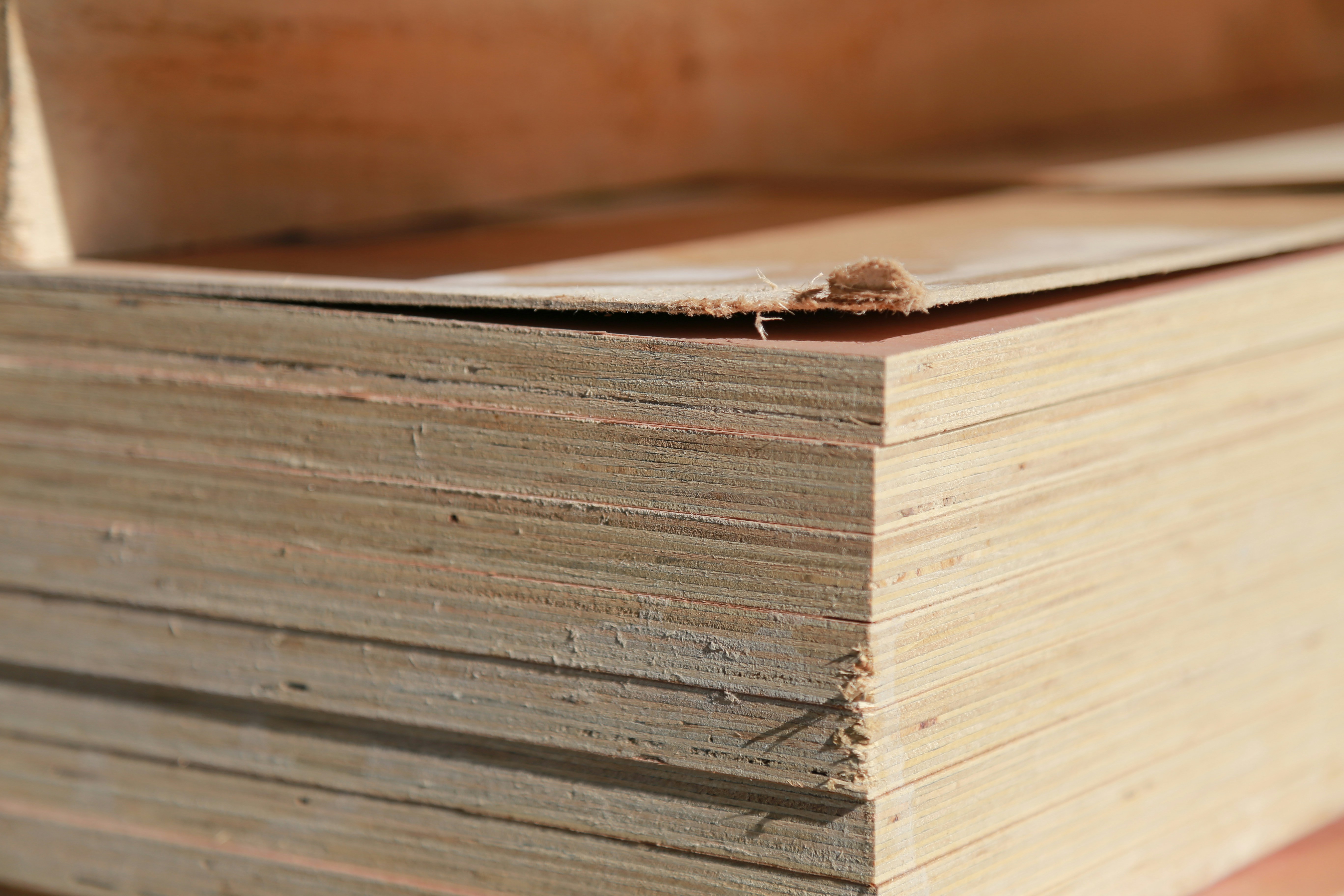
Those hairline cracks in plywood dowel joints? It's the alternating grain layers separating at their glue lines.
Pressure-treated lumber isn't just soaked in chemicals. The process forces preservatives into the cell structure of wood using vacuum and pressure cycles that change how the material behaves.
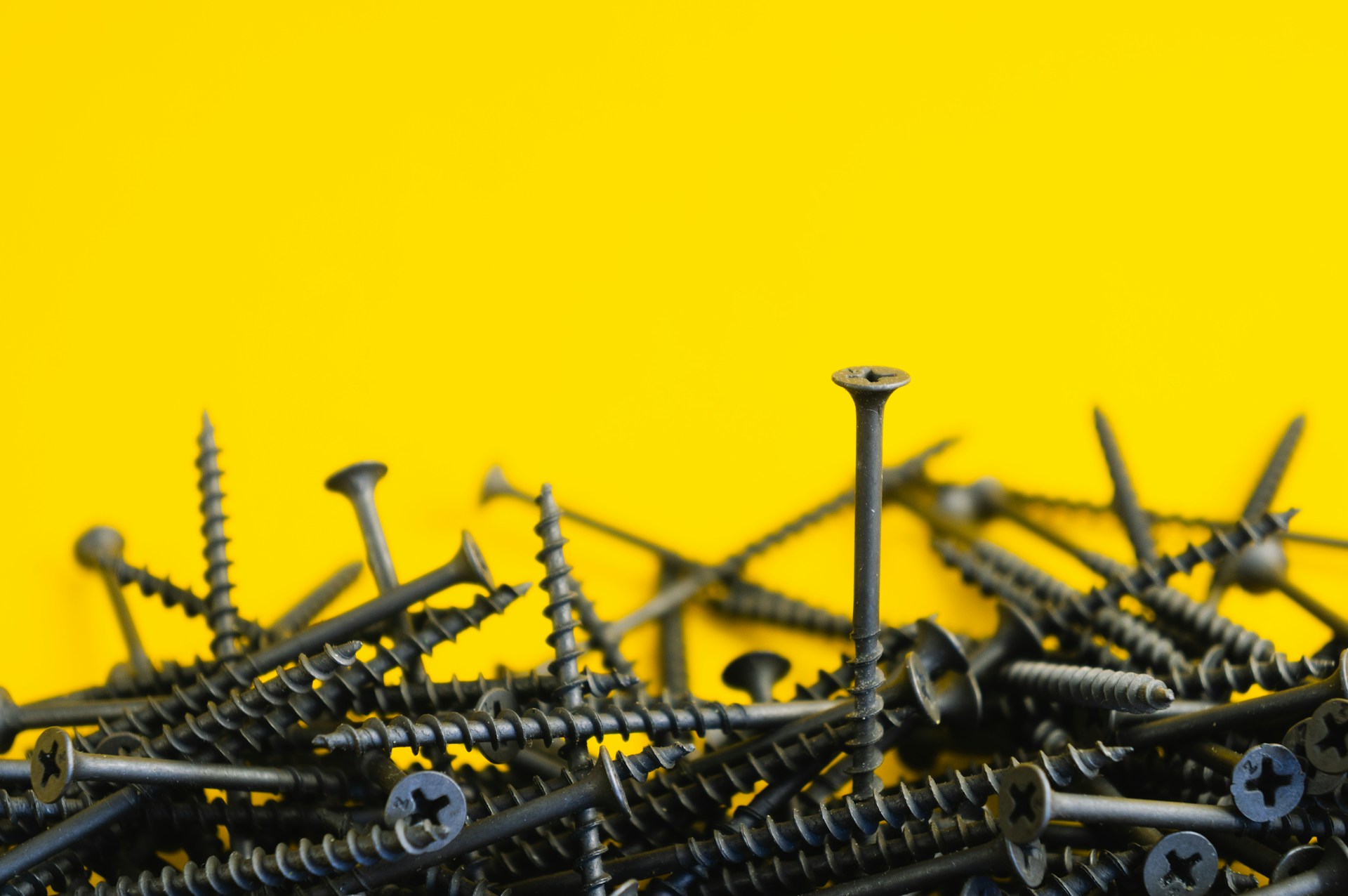
Deck screws aren't wood screws with better marketing. The coatings, threads, and drive systems are engineered responses to the chemistry of treated lumber.
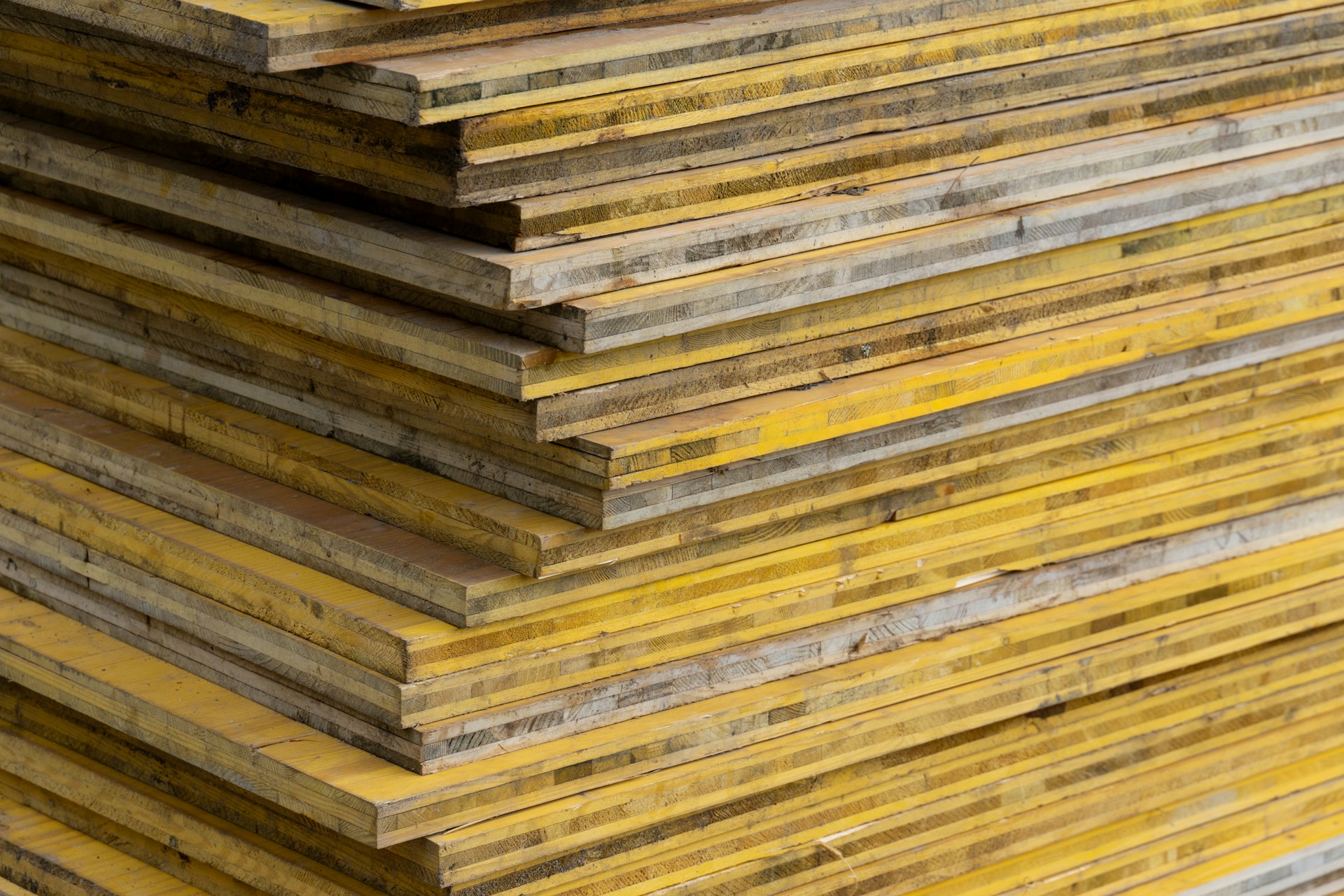
Marine plywood dulls saw blades twice as fast as standard plywood. The phenolic resin that makes it waterproof also makes it one of the most tool-hostile sheet goods in the lumber yard.
Aluminum is softer than most hardwoods. It also permanently destroys woodworking blades through a metallurgical welding process that begins on contact and becomes irreversible within minutes. The physics of why this happens - and why the damage looks nothing like normal wear.
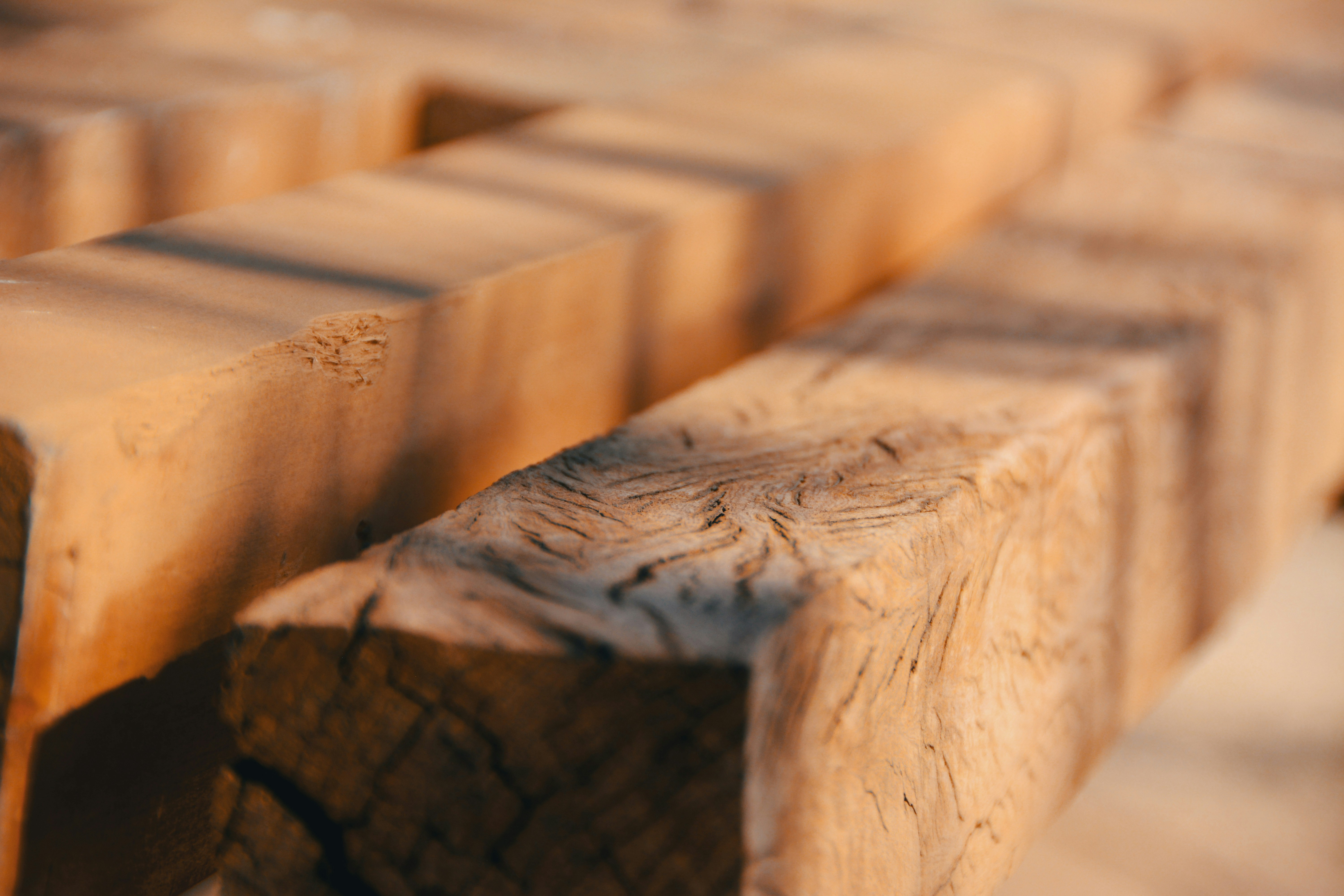
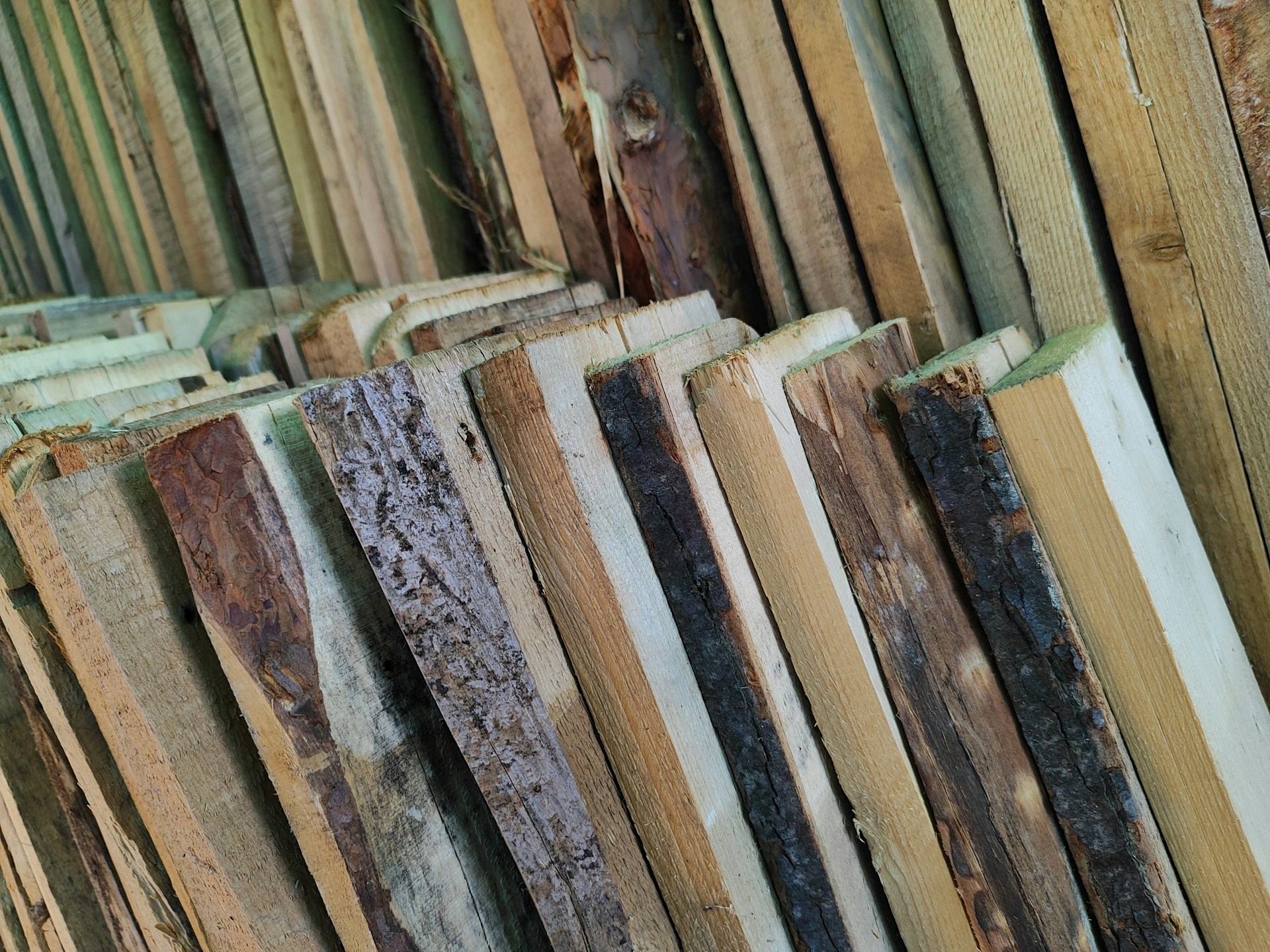
Reclaimed lumber is a billion-dollar industry built on Instagram aesthetics and environmental credentials. Every barn beam is also a time capsule of agricultural history - hidden nails, embedded lead shot, wind-driven grit, and chemical residue that turns tool replacement into an operating cost.
Bamboo evolved silica deposits as armor against grazing animals thirty million years ago. That evolutionary adaptation now makes bamboo plywood the most tool-destructive panel product on the market - and the sustainable-material narrative doesn't mention the carbide it costs.
Wet wood dulls blades faster, creates rust on exposed steel within minutes, and produces heavy sawdust that clogs everything. Moisture content above 30% transforms routine cutting into equipment endurance testing.
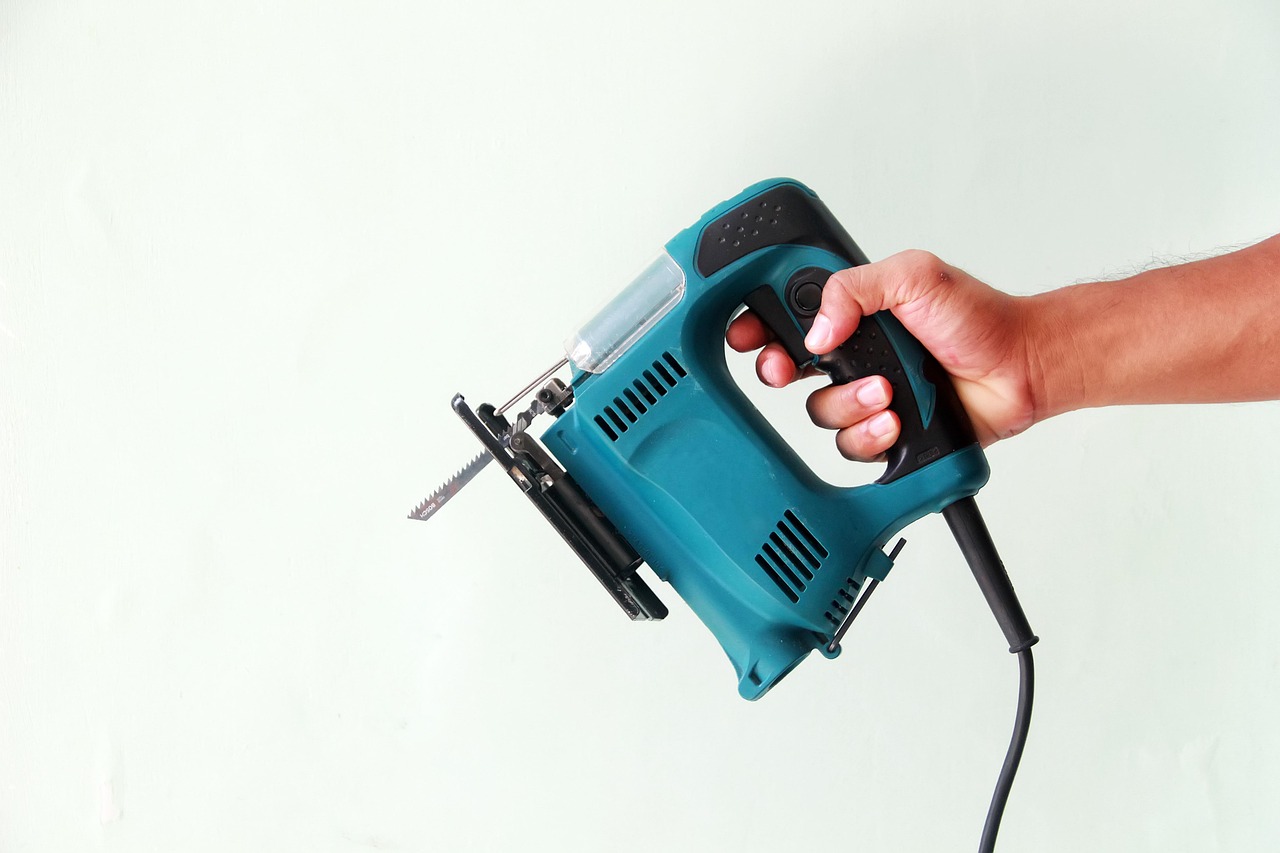
Particle board dominates budget furniture. Standard jigsaw blades achieve clean cuts in it less than 30% of the time. The material and the tool are fundamentally incompatible, and the physics of why involves resin chemistry, density variation, and reciprocating motion.
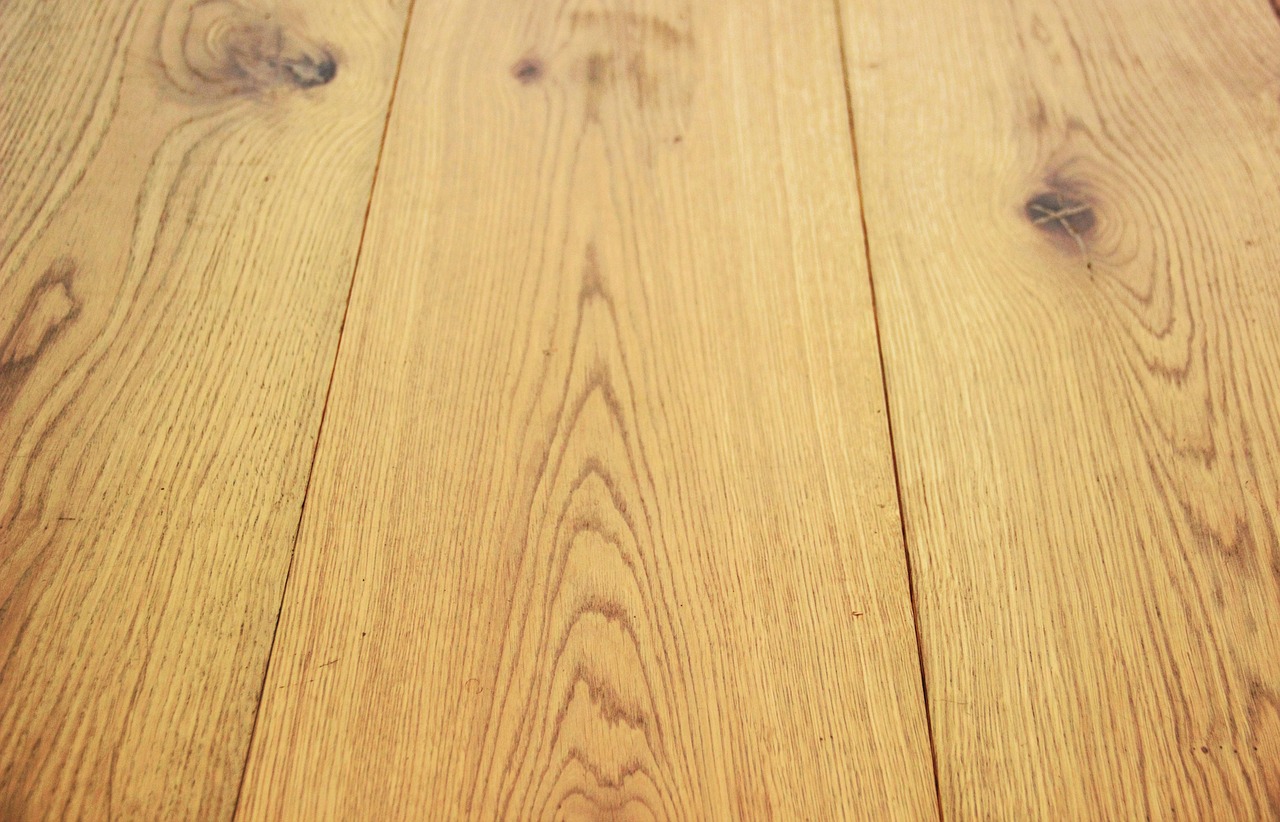
Engineered hardwood solved the dimensional stability problem by stacking wood layers at alternating angles. That same engineering - the alternating grain, the adhesive bonds, the density variations - creates a cutting problem that reduces blade life by 80% compared to solid wood.
Cutting PVC reduces blade life by approximately 40% compared to wood - not from dulling, but from a chemical bonding process that coats your teeth in resolidified plastic while hydrochloric acid vapor eats the steel underneath.
Laminate flooring's scratch-resistant surface contains aluminum oxide - the same compound used in industrial grinding wheels. It ranks 9 on the Mohs hardness scale. Your carbide blade teeth rank 8.5. The floor is harder than the tool cutting it.
Hardie Board's 50-year warranty against rot and insects comes from the same crystalline silica that destroys saw blades in 50 feet. A material so hostile to tooling it spawned blade subscription services and a three-tier blade market that didn't exist twenty years ago.
Fiber cement cutting costs include specialized blades, dust collection compliance, and rapid blade wear. The total per-square-foot cost runs significantly higher than wood siding installation.
MDF looks innocent. Smooth, uniform, easy to work. But the urea-formaldehyde resin holding it together is silica-loaded engineite that eats carbide edges in ways solid wood never does.
Melamine's surface registers 7 on the Mohs hardness scale - harder than a steel nail. It contains the same aluminum oxide compound found in grinding wheels. Every cut is a sandblasting operation with chemical burns on top, and the North American cabinet industry runs on the stuff.
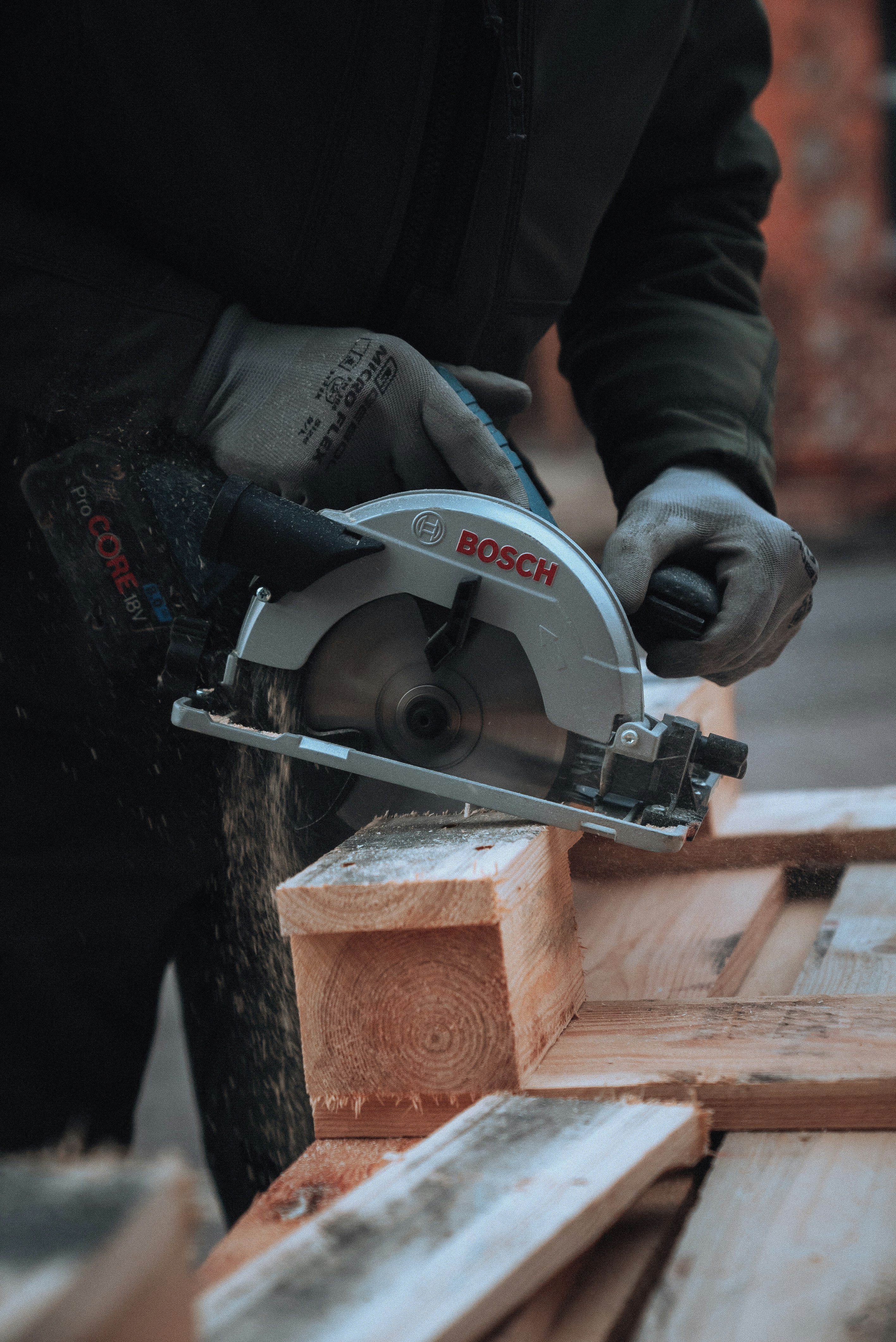
Three sheets into a framing job, the circular saw starts sounding different. The motor's working harder. The blade is coated in what looks like burnt caramel. That's the resin that holds OSB together, and it's been slowly suffocating your blade since the first cut.
The copper compounds that make pressure-treated lumber rot-proof are the same compounds that destroy saw blades in a fraction of their normal lifespan. Not through hardness or abrasion - through chemistry. The preservative attacks the cobalt binder in carbide teeth at the molecular level.
Composite decking attacks saw blades through three mechanisms simultaneously - wood flour hammering, melting plastic coating the teeth, and mineral fillers grinding them down. The low-maintenance deck costs a small fortune in blade replacement to install.