Why Your Router Screams in Bamboo Plywood
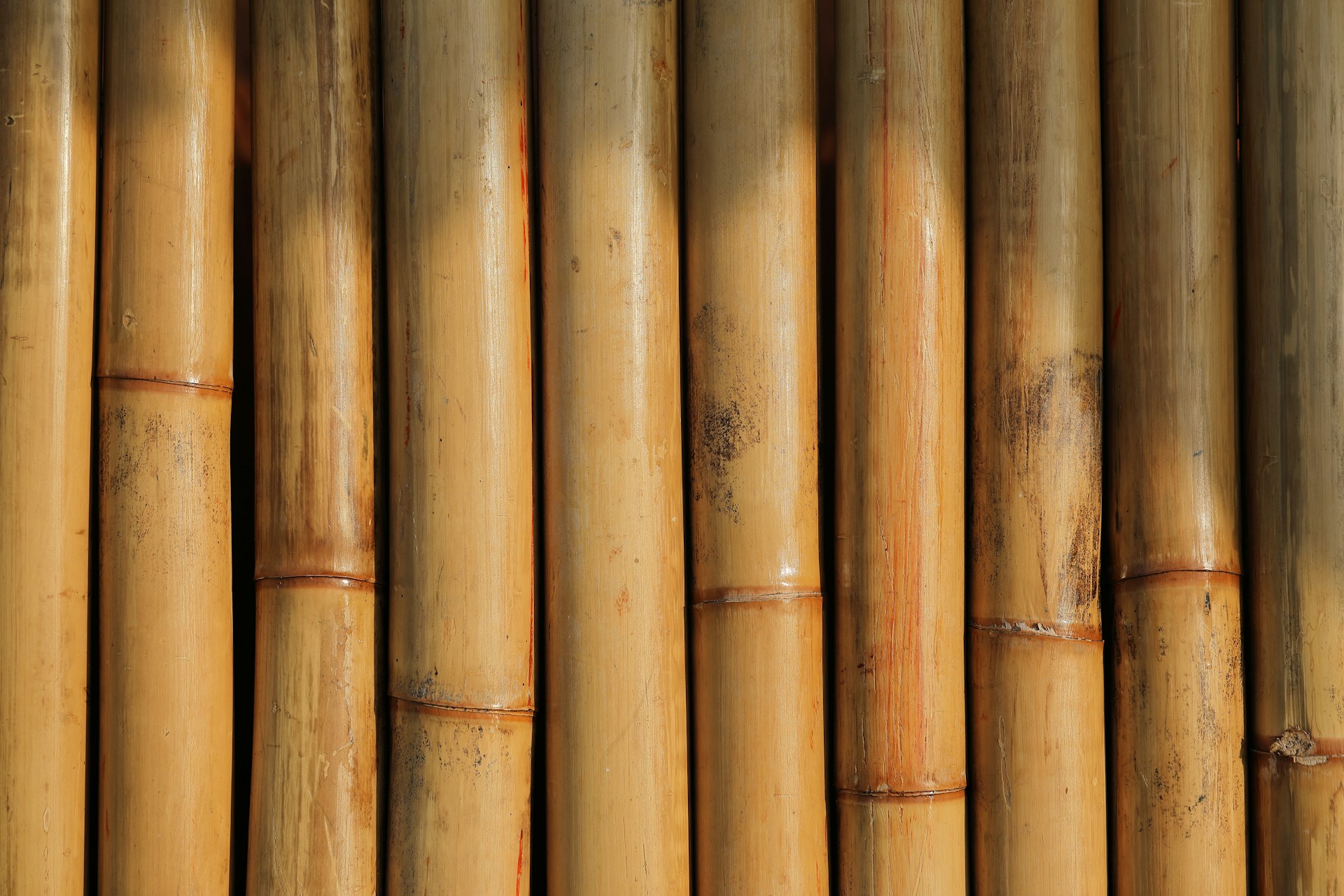
Bamboo grows to harvestable size in three to five years. Oak takes forty. The sustainability argument practically writes itself, and the $1.8 billion bamboo plywood industry leans on it heavily. Grows like a weed, machines like hardwood, saves forests. What's not to love?
The silica. That's what's not to love. The silica that evolution embedded in bamboo thirty million years ago as armor against prehistoric grazers - the molecular glass distributed through every fiber at concentrations 400 times higher than oak. Router bits that handle 500 feet of oak last maybe 50 feet of bamboo before the cutting edge looks like it lost a fight with a belt sander. The sustainable material that saves trees costs eight times more in tooling to process. Nobody puts that number on the environmental brochure.
Thirty Million Years of Arms Race
Bamboo is technically a grass, and grasses evolved silica deposits for the same reason porcupines evolved quills - to make eating them unpleasant. The strategy worked well enough against megafauna. It works even better against carbide router bits.
Moso bamboo, the species that dominates the plywood industry, carries 2-4% silica by weight. Some imported species hit 6%. Oak, for comparison, contains 0.01%. That's not a small difference. That's a material with built-in sandpaper facing off against a tool designed for something softer by a factor of several hundred.
At 22,000 RPM, each cutting edge on a router bit contacts those silica crystals 733 times per second. These aren't soft, yielding wood fibers. They're microscopic chunks of glass embedded in a lignin matrix. Carbide is hard, but it's brittle - and silica doesn't care about hardness ratings. It cares about repetition. Seven hundred thirty-three impacts per second, each one micro-fracturing the cutting edge a little more, each fracture making the next impact slightly more destructive. The bit doesn't go dull gradually the way it does in hardwood. It degrades in a accelerating curve.
The Heat Signature
Friction between carbide and silica generates temperatures above 400 degrees at the cutting interface. At that temperature, bamboo's natural resins liquify and carbonize into tar. The tar mixes with pulverized silica to create an abrasive paste that coats the cutting edges - a compound that accelerates wear through the same mechanism that makes melamine notorious for destroying blades. Except bamboo brought evolutionary intent to the formula.
The sound tells the story in real time. Fresh carbide cutting bamboo produces a 2,800-3,200 Hz whine - annoying but consistent. As micro-fractures accumulate, the frequency drops and develops harmonics. By the time it hits 2,000 Hz with a warble, the bit's cutting geometry has changed enough that it's burning rather than cutting. The smoke that rolls off at that point isn't the "working hard" wisp. It's thick and acrid - burning grass sugars mixed with melting adhesive from the plywood layers.
The Paradox the Sustainability Narrative Avoids
Tool suppliers in regions with heavy bamboo plywood adoption - Pacific Northwest, Northern California, parts of Colorado - report router bit sales 3.5 times higher per capita than regions where traditional materials dominate. The correlation is strong enough that some distributors use bamboo plywood shipments as a leading indicator for bit inventory planning.
Eight carbide bits to process the same linear footage as one in oak means eight times the manufacturing, eight times the shipping, eight times the packaging waste. The environmental calculus that made bamboo attractive starts looking different when the downstream consumables are factored in. Nobody has published a lifecycle analysis that includes tooling replacement in the sustainability comparison, which is itself an interesting omission.
The tool industry's response has been coating technology borrowed from metalworking - titanium aluminum nitride, diamond-like carbon. Marginal improvements at premium prices. A coated bit might last 70 feet instead of 50, but costs twice as much. The math rarely closes. It's similar to how composite decking's hidden costs show up in blade replacement rather than in the sticker price.
Quality Variations That Make It Worse
Not all bamboo plywood behaves identically, and some of the quality premium works against the buyer in unexpected ways.
Strand-woven bamboo - fibers compressed under extreme pressure - concentrates silica into dense pockets. These act like embedded cutting wheels when a router bit passes through them. Laminated bamboo, with distinct bonded layers, presents alternating hard and soft zones that create chatter.
Here's the irony that nobody advertises: premium carbonized bamboo, where the fibers are heat-treated to reduce sugar content and improve stability, destroys bits faster than the cheap stuff. The carbonization process doesn't reduce silica - it concentrates it relative to the surrounding matrix as other compounds cook off. The higher-quality product is harder on the tools.
Even age matters. Fresh stock from the factory cuts cleaner than panels that have been warehoused for months. The adhesive layers continue curing on the shelf, becoming progressively harder and making the already-aggressive silica content more prominent in the cutting experience. Six-month-old sheets from the same production batch behave measurably differently than fresh ones.
The Equilibrium
Production shops learned to treat bamboo like a consumable cost center. Jobs get clustered to minimize bit changeovers. Separate bit inventories are maintained and run to failure rather than resharpened - because the micro-fracturing extends deep into the carbide structure, and a resharpened bit fails faster than the original, making the service cost unjustifiable.
Labor estimates for bamboo projects carry a 30-40% premium. Not for cutting time - for bit changes, quality inspection, and edge finishing that other materials don't require.
The market found its balance. Bamboo plywood keeps growing at 8-12% annually despite the tooling overhead. Users who discover the cost either abandon the material quickly or absorb the consumable expense as the price of admission. The middle ground - occasional users hoping each project will somehow be different - doesn't really exist in the sales data. You're either in or out.
The sustainable material that grows like a weed and machines like hardwood comes with a tax paid in carbide. Evolution armed bamboo against something much larger than a router bit. The router bit was never supposed to win that fight, and the pattern of materials punishing tools not designed for them runs through this entire corner of the industry. Bamboo just happens to have a thirty-million-year head start.